Solar-powered HVAC systems are transforming how we think about home climate control, combining efficiency with sustainability. By harnessing the power of the sun, these systems provide an innovative alternative to conventional heating and cooling methods, significantly reducing energy costs and environmental impact.
Unlike traditional HVAC systems that rely solely on fossil fuels or electricity from non-renewable sources, solar-powered units utilize solar panels to capture sunlight and convert it into usable energy. This not only promotes a greener lifestyle but also offers homeowners enhanced energy independence and comfort.
Overview of Solar-powered HVAC Systems
Solar-powered HVAC systems represent a revolutionary approach to heating, ventilation, and air conditioning, utilizing the abundant energy provided by the sun. These systems integrate solar panels with traditional HVAC technology to produce energy-efficient solutions for climate control in residential and commercial buildings. By harnessing solar energy, they contribute to reducing dependency on fossil fuels, lowering utility bills, and minimizing carbon footprints.Unlike conventional HVAC systems that rely heavily on electricity or fossil fuels for operation, solar-powered HVAC systems utilize photovoltaic (PV) panels to convert sunlight into electricity that directly powers heating and cooling processes.
This key difference means that they can operate independently or alongside traditional power sources, providing flexibility and resilience to energy supply. Moreover, in some cases, excess energy can be stored or sold back to the grid, enhancing financial returns for the user.
Benefits of Using Solar Energy for Heating and Cooling
The advantages of solar-powered HVAC systems extend beyond mere energy savings. These benefits can significantly impact both environmental sustainability and individual households or businesses. Here are several key benefits to consider:
- Cost Savings: By utilizing solar energy, users can drastically reduce their monthly energy bills. The initial investment in solar panels can often be recouped within a few years through savings on energy costs.
- Environmental Impact: Solar-powered HVAC systems produce no direct emissions, helping to combat climate change and contribute to cleaner air by reducing reliance on fossil fuels.
- Energy Independence: Users can gain greater control over their energy consumption, decreasing vulnerability to fluctuating energy prices and enhancing resilience against power outages.
- Increased Property Value: Homes and buildings equipped with solar energy systems can have higher market values, appealing to environmentally conscious buyers and those looking to save on future energy costs.
- Incentives and Rebates: Many regions offer financial incentives, tax credits, or rebates for installing solar energy systems, making them more accessible and financially attractive for consumers.
“Switching to solar-powered HVAC systems not only benefits the environment but also provides significant cost savings over time.”
The integration of solar energy into HVAC systems is a forward-thinking solution that addresses modern energy needs while fostering sustainable practices. This blend of technology and nature presents a compelling case for homeowners and businesses looking to modernize their energy consumption methodologies.
Components of Solar-powered HVAC Systems
Solar-powered HVAC systems harness renewable energy to provide heating and cooling for residential and commercial spaces. These systems integrate various components that work together to optimize energy efficiency while minimizing reliance on fossil fuels. Understanding these components is crucial for anyone interested in sustainable building practices and energy conservation.The main components of solar-powered HVAC systems include solar panels, an inverter, a thermal storage unit, and the HVAC unit itself.
Each of these elements plays a vital role in the overall functionality and efficiency of the system.
Solar Panels
Solar panels are the cornerstone of any solar-powered HVAC system, responsible for converting sunlight into usable energy. They are typically made up of photovoltaic (PV) cells that capture solar energy and convert it into electricity.The efficiency of solar panels can significantly influence the overall performance of the HVAC system. Factors such as the angle of installation, shading, and the type of solar panels used can impact energy production.
Modern solar panels are designed to withstand various weather conditions, ensuring long-term performance and reliability.
“Solar panels can convert sunlight into electricity with efficiencies exceeding 20% for high-quality models.”
Inverter
The inverter plays a crucial role in a solar-powered HVAC system by converting the direct current (DC) generated by the solar panels into alternating current (AC), which is required by most HVAC units. This component ensures that the electricity produced can be utilized effectively, powering the HVAC system and any other electrical appliances in the building.Inverters come in various types, including string inverters, microinverters, and power optimizers, each with its own advantages depending on the specific installation and requirements.
Thermal Storage Unit
A thermal storage unit can be an important addition to solar-powered HVAC systems, particularly in applications that utilize solar thermal energy. This component stores excess heat generated during sunny periods, which can then be used for heating during cooler times. Thermal storage systems can include water tanks or phase change materials that absorb and release energy effectively. This capability allows for more consistent heating and cooling, improving the overall efficiency of the system and reducing energy costs.
Types of HVAC Systems Compatible with Solar Technology
Solar technology can enhance various types of HVAC systems, making them more energy-efficient and environmentally friendly. The following are some common HVAC systems that can be integrated with solar power:
Air Conditioning Systems
Solar power can be used to run traditional air conditioning units, reducing electricity consumption during peak hours.
Heat Pumps
These systems can utilize solar energy for both heating and cooling, making them versatile and efficient.
Ductless Mini-Split Systems
These systems are ideal for solar integration as they allow for easy installation of solar panels without the need for extensive ductwork.
Geothermal Systems
When paired with solar power, geothermal systems can operate more sustainably, using the sun’s energy to offset electrical usage.By combining these HVAC systems with solar technology, users can achieve significant energy savings and reduce their carbon footprint while enjoying reliable comfort in their spaces.
Installation Process for Solar-powered HVAC Systems
Installing a solar-powered HVAC system is a crucial step toward achieving energy efficiency and sustainability in your home or business. The process involves several key steps, from selecting the right components to ensuring everything is properly set up and running smoothly. This guide Artikels the systematic approach to installing these systems, providing insights into the safety precautions and best practices necessary to ensure a successful installation.
Step-by-Step Installation Process
The installation of solar-powered HVAC systems should be conducted with precision to maximize efficiency and safety. Below is a structured overview of the essential steps involved.
- Site Assessment: Begin with a thorough evaluation of the installation site. Assess the roof or ground area for solar panel placement, considering sunlight exposure and any obstructions like trees or buildings.
- Selecting Components: Choose compatible HVAC equipment and solar panels. Ensure that the system’s capacity aligns with your energy needs.
- Permits and Regulations: Obtain necessary permits from local authorities. Verify that your installation complies with zoning laws and building codes.
- Mounting the Solar Panels: Securely mount the solar panels on the chosen location. Use appropriate brackets and ensure they are angled for optimal sunlight exposure.
- Connecting the Wiring: Carefully connect the wiring from the solar panels to the inverter and battery storage (if applicable). Follow electrical safety standards during this process.
- Installing the HVAC System: Install the HVAC unit, including the indoor and outdoor components. Ensure that the system is connected to the solar power supply for seamless operation.
- System Testing: Conduct comprehensive tests to ensure that the solar panels and HVAC system are functioning correctly. Check for any leaks or electrical issues.
- Final Inspection: Have a professional inspect the system installation to confirm that everything meets safety and performance standards.
Safety Precautions and Best Practices
Safety is paramount during the installation of solar-powered HVAC systems. Adhering to safety protocols prevents accidents and ensures a smooth installation process.
- Always wear appropriate personal protective equipment (PPE) such as gloves, goggles, and helmets.
- Make sure to turn off power supplies before working on electrical components to avoid electrical shocks.
- Use ladders and scaffolding correctly to prevent falls; ensure they are stable and positioned on a flat surface.
- Follow the manufacturer’s instructions for installation to avoid voiding warranties or damaging components.
- Secure all tools and equipment to prevent accidents during the installation process.
Considerations for Selecting a Location for Solar Panels
The placement of solar panels significantly impacts their efficiency and overall performance. Here are key factors to consider when selecting a suitable location.
Sunlight Exposure
Choose locations that receive maximum sunlight throughout the day. South-facing roofs or open ground areas are often ideal.
Obstructions
Evaluate the area for trees, buildings, or other structures that could block sunlight. Consider trimming trees or relocating panels if necessary.
Roof Condition
Ensure the roof is in good condition and can support the weight of the solar panels. Repairs might be needed before installation.
Accessibility
Select a location that allows easy access for maintenance and cleaning of the solar panels, which is crucial for long-term efficiency.
Aesthetics
Consider the visual impact of the solar panels on your property. Some homeowners prefer to integrate them seamlessly with the roof design.
Proper installation and strategic placement of solar panels significantly enhance the efficiency and longevity of HVAC systems.
Costs and Financial Incentives
The integration of solar-powered HVAC systems into homes can seem daunting due to initial costs, yet understanding the financial landscape surrounding these systems reveals the potential for significant long-term savings and available incentives. This section aims to clarify the initial investment required for solar HVAC systems and explore the financial incentives that make them more accessible.
Initial Costs of Solar-powered HVAC Systems
Investing in solar-powered HVAC systems presents an initial expenditure that varies based on multiple factors, including the system size, installation complexity, and specific technology used. Generally, homeowners can expect to pay between $15,000 to $30,000 for a complete solar-powered HVAC installation. This estimate usually encompasses the costs of solar panels, inverters, installation labor, and any necessary modifications to existing ductwork or electrical systems.
The average solar panel installation cost is approximately $2.50 to $3.50 per watt before incentives.
For instance, a typical 5 kW solar energy system might cost around $15,000 to $20,000. Moreover, these costs can be further impacted by local market conditions and the specific needs of the home.
Available Financial Incentives and Rebates
To encourage the adoption of solar technology, various financial incentives and rebates are available to homeowners. These can significantly reduce the upfront costs associated with solar-powered HVAC systems. Key incentives include:
- Federal Tax Credit: Homeowners can receive a tax credit for up to 26% of the total installation cost through the federal solar tax credit, which is set to decrease in the coming years.
- State and Local Incentives: Many states and municipalities offer additional rebates, grants, or tax credits specific to solar energy adoption. For example, California has a robust program that provides substantial rebates for solar energy systems.
- Net Metering: Homeowners can benefit from net metering policies, allowing them to sell excess energy back to the grid, effectively lowering their utility bills.
- Financing Options: Various financing solutions, such as solar loans or leases, enable homeowners to install solar systems with little to no upfront payment, making solar installations more financially accessible.
Researching local programs and incentives can help homeowners maximize their savings when transitioning to solar-powered HVAC systems.
Long-term Savings Compared to Traditional Systems
While the initial investment in solar-powered HVAC systems can be high, the long-term savings can be substantial when compared to traditional systems. Homeowners can anticipate savings in two key areas: energy bills and maintenance costs.The adoption of solar HVAC systems can lead to a reduction in energy bills by as much as 50% or more, depending on the amount of energy produced and consumed.
For example, a household that typically spends $150 a month on energy might see bills drop to around $75, translating to savings of approximately $900 annually.Additionally, solar-powered systems typically have lower maintenance costs because they rely on fewer mechanical components than conventional HVAC systems. This can lead to reduced repair costs over the life of the system, adding to the overall savings.
Many homeowners report a return on investment (ROI) of 20% or more, making solar HVAC systems not only eco-friendly but financially savvy as well.
Integrating solar-powered HVAC technology into homes not only promotes environmental sustainability but also presents a compelling financial case when evaluating both short-term incentives and long-term savings.
Maintenance and Troubleshooting
Maintaining a solar-powered HVAC system is essential for ensuring optimal performance and longevity. Regular upkeep not only prevents unexpected breakdowns but also maximizes energy efficiency and comfort within your space. This section covers a maintenance checklist, common issues you might encounter, and the significance of routine inspections.
Maintenance Checklist for Solar-powered HVAC Systems
Regular maintenance of solar-powered HVAC systems is crucial for their efficient operation. The checklist below Artikels key tasks that should be performed periodically.
- Inspect Solar Panels: Check for dirt, debris, or shading that may hinder performance. Clean panels as necessary to ensure maximum sunlight absorption.
- Check Connections and Wiring: Ensure that all electrical connections are secure and free from corrosion, preventing potential energy losses.
- Evaluate Refrigerant Levels: Monitor refrigerant levels to ensure they are within recommended ranges for optimal cooling efficiency.
- Examine Ductwork: Inspect ducts for leaks or blockages, which can reduce the system’s effectiveness and increase energy costs.
- Replace Filters: Change air filters regularly, ideally every 1-3 months, to maintain good air quality and efficient airflow.
- Test Thermostat Settings: Confirm that the thermostat is functioning correctly and calibrated to the desired temperature settings.
- Schedule Professional Inspections: Have a licensed technician conduct an annual check-up to address any potential issues before they become significant problems.
Common Issues and Solutions
Despite their reliability, solar-powered HVAC systems can still experience problems. Below are some common issues along with their solutions.
- Reduced Efficiency: If the system isn’t cooling effectively, it may be due to dirty solar panels or clogged filters. Cleaning panels and replacing filters can often resolve this issue.
- Inconsistent Temperatures: Fluctuations in indoor temperatures may indicate duct leaks or a malfunctioning thermostat. Inspecting and sealing ducts, along with recalibrating the thermostat, can help stabilize temperatures.
- Unusual Noises: Strange sounds like grinding or rattling often suggest loose components or debris in the system. Performing a visual inspection and tightening or removing loose items can eliminate these noises.
- System Shutdowns: If the HVAC system shuts down unexpectedly, it may be due to electrical issues or overheating. Checking connections and ensuring adequate airflow can help prevent this.
Importance of Regular Inspections and Upkeep
Routine inspections and maintenance of solar-powered HVAC systems are vital for several reasons. They not only prevent unexpected failures but also enhance energy efficiency, which can lead to significant cost savings over time. Regular upkeep can extend the lifespan of the system, making it a wise investment for homeowners. By scheduling inspections with a qualified technician, you can catch minor issues before they escalate into costly repairs.
“A well-maintained HVAC system is not only more efficient but also contributes to a healthier indoor environment.”
Integration with Home Furniture
Designing home interiors around solar-powered HVAC systems not only enhances aesthetic appeal but also boosts energy efficiency. By considering the HVAC system’s layout and functionality, homeowners can create spaces that are both comfortable and visually pleasing. This integration requires an understanding of how these systems work and how furniture placement can affect air circulation and temperature control.When selecting furniture, it’s essential to choose pieces that complement the HVAC system while promoting optimal airflow.
Certain materials and styles can either enhance or hinder the system’s effectiveness. To achieve a harmonious balance between design and functionality, consider the following tips regarding furniture selection and arrangement.
Furniture Selection Tips
Choosing the right furniture is critical to ensuring that the solar-powered HVAC system operates efficiently. Here are key factors to consider when selecting furniture that works well with such systems:
- Material Choices: Opt for lightweight and breathable fabrics that allow for better air circulation. Natural materials like cotton or linen promote airflow, while heavy fabrics can trap heat.
- Low-Profile Designs: Select lower-profile furniture that does not obstruct airflow from vents. For example, sofas and chairs with open legs can facilitate better circulation compared to bulky, heavy pieces.
- Color Coordination: Light-colored furniture can reflect sunlight, helping to maintain a cooler indoor environment. This can complement the cooling effects of solar-powered HVAC systems during warmer months.
- Multi-Functional Pieces: Consider furniture that serves multiple purposes, such as ottomans with storage, which can reduce clutter and improve airflow in the room.
Impact of Furniture Arrangement on Air Circulation
Proper furniture arrangement is vital for the efficient functioning of solar-powered HVAC systems. An organized living space allows for optimal air distribution and maintains comfortable temperatures throughout the home. Here are some considerations for effective furniture placement:
- Avoid Blocking Vents: Arrange furniture so that it does not obstruct air vents or registers. This ensures that cooled or heated air can flow freely into the room, maximizing system efficiency.
- Open Spaces: Create open pathways that allow air to circulate. Avoid placing large furniture pieces in a way that creates barriers to airflow.
- Strategic Placement: Position sofas and chairs away from direct airflow to prevent discomfort from drafts. Instead, create cozy areas that invite relaxation without interfering with air distribution.
- Consider Ceiling Height: In rooms with high ceilings, arrange taller furniture against walls to prevent blocking air movement overhead. This approach helps in maintaining a balanced temperature throughout the space.
Integrating furniture with solar-powered HVAC systems enhances both functionality and design, creating a harmonious living environment.
Green Living and Sustainability
The integration of solar-powered HVAC systems into residential settings not only revolutionizes the way we think about heating and cooling but also plays a significant role in promoting green living and sustainability. By harnessing the sun’s energy, these systems help reduce our reliance on fossil fuels, contributing to a cleaner, healthier environment.Solar-powered HVAC systems contribute to green living by significantly decreasing energy consumption in homes.
Traditional HVAC systems rely heavily on electricity generated from non-renewable sources, which often results in higher greenhouse gas emissions. By utilizing solar technology, homeowners can decrease these emissions, directly impacting climate change. Additionally, solar-powered systems often have lower operational costs due to decreased electricity bills, making them a financially savvy choice for eco-conscious individuals.
Environmental Benefits of Reducing Energy Consumption
Reducing energy consumption through solar technology leads to numerous environmental benefits. These advantages include:
- Lower Carbon Footprint: Solar HVAC systems reduce the amount of carbon dioxide emitted into the atmosphere, contributing to decreased air pollution and a healthier planet.
- Conservation of Natural Resources: By relying on renewable solar energy, we reduce the demand for fossil fuels, which are finite and harmful to extract.
- Mitigation of Urban Heat Island Effect: Increased use of solar energy can help cool urban areas by reducing the overall heat generated by traditional energy sources.
- Improved Energy Efficiency: Solar-powered systems often incorporate energy-efficient technologies, further decreasing the overall energy needed for heating and cooling.
Homeowners can adopt several sustainable practices alongside solar HVAC systems to enhance their environmental impact. These practices include:
- Installation of Energy-Efficient Appliances: Upgrading to energy-efficient appliances can complement solar HVAC systems, ensuring that other energy demands in the home are also minimized.
- Utilization of Smart Home Technology: Smart thermostats and home automation systems optimize energy use, allowing homeowners to manage their energy consumption more effectively.
- Incorporation of Green Landscaping: Planting trees strategically can provide natural shade and reduce cooling demands, working in tandem with solar HVAC systems.
- Rainwater Harvesting: Collecting rainwater for irrigation and other non-potable uses conserves water and reduces the energy used for water treatment and transportation.
Implementing these sustainable practices not only enhances the efficiency of solar-powered HVAC systems but also fosters a lifestyle that prioritizes environmental stewardship and sustainability.
Relationship with Heating and Air Conditioning
Solar-powered HVAC systems represent a significant advancement in the world of heating and air conditioning, offering a sustainable and efficient alternative to traditional methods. By harnessing the power of the sun, these systems reduce reliance on fossil fuels and lower energy costs. The intersection between solar technology and conventional climate control solutions is vital for understanding how we can optimize energy consumption and enhance indoor comfort.Comparing solar-powered HVAC systems to conventional heating and air conditioning methods reveals distinct differences in efficiency and environmental impact.
Traditional systems often rely on electricity generated from non-renewable sources, resulting in higher utility bills and increased carbon emissions. In contrast, solar-powered systems utilize renewable energy, allowing homeowners to significantly decrease their ecological footprint while enjoying lower operational costs.
Efficiency of Solar Heating Versus Traditional Heating Methods
The efficiency of solar heating systems can vastly outperform traditional heating methods, particularly during peak usage times. Solar heating systems convert sunlight into usable heat energy, making them particularly efficient when the demand for heating is highest, such as during cold winter months. The following points highlight the advantages of solar heating:
- Higher Efficiency Rates: Solar heating systems can achieve efficiency rates of over 70%, compared to conventional gas or electric heaters that operate at around 30%-60% efficiency.
- Reduced Energy Costs: By utilizing free solar energy, homeowners can save significantly on their heating bills, especially in regions with abundant sunlight.
- Lower Carbon Footprint: Solar heating eliminates the need for fossil fuels, contributing to a significant reduction in greenhouse gas emissions.
The integration of solar technology also enhances the efficiency of air conditioning systems, particularly during peak demand periods. During the hottest days of summer, conventional air conditioning units often struggle to keep up with demand, leading to increased energy consumption and costs. Solar-powered systems can mitigate these challenges through several mechanisms.
Enhancing Air Conditioning Efficiency During Peak Usage
Solar technology can boost air conditioning efficiency in a variety of ways, ensuring that homeowners maintain comfort without incurring excessive energy costs. Key aspects include:
- Direct Solar Integration: Some solar HVAC systems allow for direct integration with air conditioning units, facilitating a seamless transfer of solar energy to cool indoor spaces.
- Load Shifting Capabilities: By leveraging solar energy during the day, homeowners can shift their energy consumption patterns, using stored solar energy to run air conditioning units during peak hours when rates are highest.
- Improved System Performance: Many solar-powered systems are specifically designed to work in tandem with modern, energy-efficient air conditioning technologies, maximizing cooling output while minimizing energy input.
In summary, the relationship between solar-powered HVAC systems and traditional heating and air conditioning methods is marked by a clear advantage for solar solutions in terms of efficiency, cost savings, and environmental impact. As technology continues to evolve, the integration of solar energy into HVAC systems will play a pivotal role in shaping the future of sustainable living.
Importance of Home Inspections

Home inspections play a critical role in the evaluation of existing HVAC systems, particularly when integrating solar-powered solutions. These inspections provide a comprehensive assessment of the current HVAC setup’s condition, performance, and compatibility with renewable energy technologies. Understanding the nuances of your home’s systems is essential for making informed decisions regarding upgrades or replacements.Home inspectors utilize a systematic approach to evaluate the feasibility of integrating solar power into existing HVAC configurations.
This involves assessing the current system’s efficiency, ductwork, insulation, and overall energy consumption. A detailed inspection also includes examining the roof’s condition, orientation, and shading, which significantly influence the viability of solar panel installation.
Inspection Criteria for Solar-Powered HVAC Systems
When evaluating solar-powered HVAC systems, several specific criteria must be reviewed to ensure optimal performance and integration. The following points highlight key inspection criteria that inspectors focus on during assessments:
- Current HVAC System Condition: Inspectors examine existing HVAC components for wear, efficiency ratings, and compatibility with solar technology.
- Roof Structure and Angle: The roof’s integrity and pitch are crucial for solar panel installation, influencing energy capture and system performance.
- Shading Analysis: Assessing potential obstructions, such as trees or neighboring buildings, helps determine the solar system’s effectiveness.
- Insulation Quality: Proper insulation enhances the performance of both HVAC and solar systems, reducing energy loss and improving overall efficiency.
- Electrical System Compatibility: Inspectors check the home’s electrical setup to ensure it can handle the additional load from solar energy systems.
- Ductwork Integrity: Evaluating duct conditions ensures that air distribution is efficient, maximizing the benefits of a solar-powered system.
- Local Building Codes and Regulations: Inspectors verify compliance with zoning laws and building codes that govern solar installations.
Effective home inspections are essential for homeowners considering solar-powered HVAC solutions. The thorough evaluation conducted by inspectors aids in identifying any potential issues, ensuring that the transition to solar energy is seamless and beneficial for both the environment and household energy costs.
Designing House Plans for Solar Integration
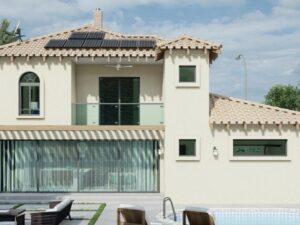
Incorporating solar-powered HVAC systems into new home designs is an essential step toward creating energy-efficient and sustainable living spaces. This integration not only enhances comfort but also significantly reduces energy costs, benefiting both homeowners and the environment. When planning your house design, various factors must be considered to maximize the effectiveness of solar energy solutions.Architectural styles play a critical role in determining how effectively solar systems can be integrated.
Designs that utilize ample roof space and consider the orientation toward the sun are particularly advantageous. For example, modern and contemporary homes often feature flat or low-pitched roofs, making them ideal for solar panel installations. Additionally, passive solar design techniques can be seamlessly included in styles such as ranch or prairie homes, which benefit from larger window placements to harness sunlight for natural heating.
Considerations for Zoning Laws and Building Codes
Understanding local zoning laws and building codes is vital when planning for solar integration in your home design. These regulations can dictate various aspects of your solar installation, including the placement and size of solar panels. Compliance ensures that homeowners avoid potential fines and complications during the installation process. Here are some key considerations:
Setback Requirements
Many local governments have regulations about how far structures, including solar panels, must be from property lines. These setbacks help maintain community aesthetics and safety.
Height Restrictions
Certain areas have height restrictions that may affect the allowable pitch or elevation of solar panels. It’s essential to check these limitations to optimize solar exposure.
Permitting Processes
Before installation, securing the necessary permits is often required. This process can vary widely by location and may involve submitting plans for review to local authorities.
Homeowners Associations (HOAs)
If your home is situated in a community governed by an HOA, there may be specific guidelines regarding the visibility and design of solar installations. It is crucial to understand these rules to ensure compliance and minimize conflicts.Integrating solar energy solutions into house plans can significantly enhance both energy efficiency and sustainability. By paying close attention to architectural styles and understanding relevant local regulations, homeowners can create beautiful and functional designs that are both environmentally friendly and compliant with the law.
Closing Notes
In conclusion, solar-powered HVAC systems represent a significant step forward in achieving energy efficiency and environmental responsibility. By integrating these systems into homes, individuals can enjoy the dual benefits of reduced energy bills and a smaller carbon footprint, paving the way for a sustainable future.
Common Queries
How do solar-powered HVAC systems work?
They work by using solar panels to collect sunlight and convert it into energy, which powers heating and cooling units, reducing reliance on grid electricity.
What types of HVAC systems can be used with solar power?
Both air conditioning systems and heating systems can be integrated with solar technology, including heat pumps and solar thermal systems.
Are solar-powered HVAC systems expensive to install?
While the initial costs can be high, many financial incentives and long-term savings make them an economically viable option in the long run.
How often do solar-powered HVAC systems require maintenance?
Regular maintenance, such as cleaning solar panels and inspecting components, is recommended at least once a year to ensure optimal performance.
Can solar-powered HVAC systems work during cloudy days?
Yes, they can still function effectively as solar panels can generate energy from diffused sunlight, although efficiency may be reduced.