Home inspection checklist 2025 is your go-to guide for ensuring that your property is up to modern standards. As we step into a new era of homeownership, understanding the essentials of a thorough home inspection is more crucial than ever. This checklist not only addresses the traditional aspects of home evaluations but also incorporates the latest regulations and standards that have emerged in 2025.
From HVAC systems to eco-friendly materials, the checklist covers all necessary components to ensure safety and efficiency in your home. Whether you’re a buyer, seller, or homeowner looking to maintain your property, grasping the significance of these inspections can save you time, money, and potential headaches in the long run.
Home Inspection Checklist 2025
Conducting a thorough home inspection is a critical step in the buying or selling process. As we move into 2025, several new standards and regulations have emerged that homeowners and inspectors alike need to be aware of. This checklist encompasses essential items to examine, key regulations to consider, and the necessary tools and equipment needed for a comprehensive inspection.
Essential Items for Home Inspections
A home inspection covers various aspects of the property, ensuring its safety and functionality. The following checklist highlights vital components to inspect thoroughly:
- Roof: Check for visible damage, missing shingles, and signs of leaks.
- Foundation: Look for cracks, settling, and drainage issues.
- Plumbing: Inspect pipes for leaks, water pressure, and drainage functionality.
- Electrical System: Ensure proper functioning of outlets, switches, and the circuit breaker.
- HVAC System: Test heating and cooling systems for operational efficiency.
- Windows and Doors: Check for proper sealing, functionality, and any signs of rot.
- Insulation: Examine insulation levels in the attic and walls for energy efficiency.
- Exterior: Assess siding condition, paint wear, and landscaping impact on the property.
- Basement: Look for signs of moisture ingress and structural integrity.
New Regulations and Standards for 2025
As of 2025, several updated regulations are influencing home inspections. Awareness of these standards ensures compliance and enhances safety.
- Energy Efficiency Standards: Homes must meet specific energy performance benchmarks, impacting heating and cooling systems.
- Building Codes: Updates to local and national building codes require inspectors to be well-versed in the latest guidelines.
- Radon Testing: Increased emphasis on radon testing mandates requires inspectors to conduct tests in homes, especially in high-risk areas.
- Accessibility Standards: New regulations focus on ensuring homes meet accessibility requirements for individuals with disabilities.
Tools and Equipment for Home Inspections
Equipping yourself with the right tools is essential for a successful home inspection. The following equipment is recommended for thorough evaluations:
- Flashlight: A powerful flashlight is necessary for inspecting dark spaces like attics and basements.
- Moisture Meter: This tool helps detect moisture levels in walls, ceilings, and floors.
- Level: Useful for checking the evenness of floors and surfaces.
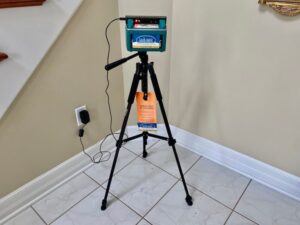
- Infrared Camera: A valuable tool for identifying heat loss, plumbing leaks, and electrical issues.
- Drone: For inspecting roofs and tall structures safely from a distance.
- Plug-in Electrical Tester: Helps verify the functionality and safety of outlets.
- Safety Goggles and Gloves: For personal protection when inspecting potentially hazardous areas.
“A thorough home inspection not only safeguards your investment but also provides peace of mind for future homeowners.”
Importance of Home Inspections
Regular home inspections are crucial for maintaining the safety and functionality of a home. They serve as a proactive measure to identify potential issues before they escalate into significant problems, ultimately saving homeowners both time and money. By understanding the importance of these inspections, homeowners can ensure a healthier living environment and protect their investment.Home inspections reveal a range of issues that might not be visible to the untrained eye.
Common problems include roof leaks, faulty wiring, plumbing issues, and pest infestations. Each of these can have serious implications if not addressed promptly. For instance, a small roof leak can lead to extensive water damage and mold growth, which can be costly to remediate. Likewise, outdated electrical systems can pose a fire hazard if not properly evaluated and upgraded as necessary.
Common Issues Found During Home Inspections
Identifying issues during a home inspection is vital for both safety and maintenance. Some prevalent problems include:
- Structural Damage: Cracks in foundations or walls can indicate serious structural issues that require immediate attention.
- Mold and Mildew: These can affect air quality and pose health risks if not treated, often originating from moisture problems.
- Electrical Problems: Outdated or improperly installed wiring can lead to safety hazards such as electrical fires.
- Plumbing Leaks: Leaking pipes can cause water damage and increase utility bills if not addressed in time.
- Pest Infestation: Termites and rodents can cause severe damage to the structure of a home if left unchecked.
Understanding these issues highlights the importance of regular inspections, as they can prevent minor problems from escalating into major, costly repairs.
Benefits of Professional Home Inspectors
While DIY inspections can provide some insights, hiring a professional home inspector offers numerous advantages. Professional inspectors have a trained eye for detail and extensive experience in identifying issues that homeowners may overlook. They also utilize specialized tools and technologies that can detect problems not visible during a casual inspection. Furthermore, a professional inspection includes a comprehensive report detailing findings, recommendations, and photos of critical areas of concern.
This documentation can be invaluable when negotiating repairs with sellers or for future reference. For instance, if a buyer discovers significant electrical issues after moving in, a professional report can serve as evidence for recourse against the seller if they failed to disclose known issues.In summary, while regular home inspections are essential for the upkeep of a property, the expertise and thoroughness of a professional inspector can make a significant difference in ensuring a safe and well-maintained home.
Home Furniture Considerations
When preparing for a home inspection, the layout and type of furniture in the home can significantly influence the overall assessment. Proper furniture arrangement not only enhances the aesthetic appeal of a space but also ensures that inspectors can easily access crucial areas such as electrical panels, plumbing fixtures, and HVAC systems. Understanding how to optimize furniture placement and selection can lead to a smoother inspection process.Furniture placement plays a critical role in the inspection process as it can either facilitate or hinder the inspector’s ability to evaluate various home systems and structures.
Inspectors need clear access to key areas, including attics, basements, and crawl spaces. If furniture obstructs access, it may lead to incomplete inspections, which could pose potential safety hazards. Moreover, the types of furniture selected should comply with safety standards and regulations, ensuring that they do not introduce risks such as fire hazards or structural instability in the home.
Furniture Placement and Accessibility
Effective furniture placement is essential for a successful home inspection. Here are some key considerations to keep in mind:
- Ensure pathways are clear: Arrange furniture to maintain unobstructed pathways to essential areas like hallways, staircases, and exits.
- Leave space around fixtures: Create adequate space around electrical panels, plumbing access points, and heating systems for easy inspection.
- Consider furniture height: Low-profile furniture can help create a more open space, making it easier for inspectors to view potential issues in the ceiling or overhead areas.
- Remove excess furniture: Declutter rooms by removing unnecessary pieces to provide more space and improve overall access for the inspector.
Safety Standards for Furniture Selection
Choosing furniture that adheres to safety standards is vital for both aesthetics and compliance with regulations. Select furniture that meets the following criteria:
- Fire resistance: Look for pieces made from materials that meet fire safety standards, reducing risks in case of a fire.
- Stability: Opt for sturdy furniture that can withstand wear and tear, avoiding tipping hazards, especially in homes with children or pets.
- Non-toxic materials: Choose furniture made from non-toxic, low-VOC materials to ensure the indoor air quality remains safe for occupants.
Preparing Furniture for Home Inspection
Preparing furniture for a home inspection involves several steps to ensure a thorough evaluation can be conducted efficiently. Here is a guide on how to prepare:
- Clear the area: Move furniture away from walls and major systems to allow inspectors full access to all necessary areas.
- Organize storage spaces: Empty closets and cabinets where inspectors may need to look, giving them a clear view of structural elements and systems.
- Document furniture conditions: Take photos of furniture and note any damage beforehand, providing context for the inspector and avoiding misunderstandings.
- Secure loose items: Ensure that any small or movable items on shelves or tables are secured or removed to prevent accidents during the inspection.
“Properly arranged and compliant furniture not only beautifies a home but also paves the way for a hassle-free inspection process.”
Green Living Practices
In today’s world, sustainable living is more than just a trend; it’s a necessity. During home inspections, integrating green living practices is essential for identifying how a home contributes to environmental sustainability. This section will explore eco-friendly materials and practices, energy-efficient systems, and the significance of sustainability features in modern homes.
Eco-Friendly Materials and Practices
Using eco-friendly materials during home inspections is vital for promoting sustainability. When assessing a home, it’s important to look for materials that have a low environmental impact, such as:
- Recycled Materials: Items manufactured from recycled content, like reclaimed wood or recycled glass countertops, significantly reduce the demand for new resources.
- Low-VOC Products: Volatile organic compounds (VOCs) can be harmful to health. Paints and finishes that are low in VOCs help improve indoor air quality.
- Natural Insulation: Materials like cellulose, sheep’s wool, or cotton batts offer excellent insulation with minimal ecological impact compared to conventional insulation options.
- Sustainable Flooring: Bamboo and cork floors are renewable resources that provide durable and attractive flooring solutions.
These materials not only reduce environmental impact but also contribute to healthier living spaces.
Energy-Efficient Systems Assessment
Assessing energy-efficient systems during a home inspection is crucial for determining a home’s overall efficiency and potential cost savings. Key systems to evaluate include:
- Heating and Cooling Systems: Inspect HVAC systems for energy efficiency ratings (SEER for cooling and AFUE for heating) to ensure they meet modern standards.
- Insulation Quality: Proper insulation in walls, attics, and basements can prevent energy loss. Look for adequate R-values based on the region.
- Windows and Doors: Energy-efficient windows and doors should feature low-E coatings and double or triple glazing to reduce heat transfer.
- Appliances: Ensure appliances are ENERGY STAR rated, which indicates they meet energy efficiency guidelines set by the U.S. Environmental Protection Agency.
Evaluating these systems can lead to significant reductions in energy bills and a smaller carbon footprint.
Importance of Sustainability Features
Sustainability features in modern homes are instrumental for both environmental conservation and enhancing property value. When inspecting for these features, consider their implications:
- Renewable Energy Sources: Homes equipped with solar panels or wind turbines not only reduce reliance on fossil fuels but also can provide significant savings on energy bills.
- Water Conservation Systems: Features like rainwater harvesting systems or low-flow fixtures minimize water usage, highlighting a home’s commitment to sustainability.
- Smart Home Technology: Smart thermostats and energy management systems can greatly enhance energy efficiency by optimizing energy usage based on real-time data.
- Landscaping Practices: Xeriscaping or the use of native plants can reduce irrigation needs and promote local biodiversity.
Sustainability features not only reflect a homeowner’s values but also appeal to environmentally-conscious buyers, making them significant during inspections.
Heating and Air Conditioning Systems
Regular inspection of heating and air conditioning (HVAC) systems is crucial to ensure the comfort and safety of a home. These systems are responsible for maintaining indoor air quality and temperature, making their proper functioning essential for the well-being of occupants. A home inspection checklist should include specific components of HVAC systems that warrant close attention to prevent costly repairs and ensure efficiency.Key components of HVAC systems that should be inspected include the furnace, air conditioner, ductwork, thermostat, and ventilation systems.
Each component plays a vital role in the overall performance of the system, and their condition can significantly impact energy consumption and indoor air quality.
Common Problems in Heating and Cooling Systems
Homeowners should be aware of common issues that can arise within HVAC systems. Identifying these problems during inspections can prevent further damage and ensure optimal functionality. Common problems include:
- Dirty Filters: Clogged filters can restrict airflow, leading to inefficient heating or cooling. Inspecting and replacing filters regularly is essential to maintain system efficiency.
- Refrigerant Leaks: Low refrigerant levels can cause air conditioning units to underperform. Signs of leaks may include hissing sounds or ice forming on the evaporator coils.
- Thermostat Malfunctions: An inaccurate thermostat can disrupt temperature control, causing discomfort. Testing the thermostat’s calibration and response time is crucial during inspections.
- Insufficient Insulation: Poorly insulated ducts can lead to significant energy loss. Inspecting ductwork for leaks or insulation issues can enhance energy efficiency.
- Noise Issues: Unusual sounds from HVAC systems can indicate mechanical issues. Inspecting for loose parts or worn-out components can help identify the source of noise.
Addressing these common problems requires timely intervention and understanding the system’s functioning.
HVAC Maintenance Checklist
To ensure the longevity and efficiency of HVAC systems, homeowners should adhere to a maintenance checklist. Regular maintenance helps prevent costly repairs and prolongs the lifespan of the equipment. Here is a checklist for homeowners:
- Replace or Clean Air Filters: Change filters every 1-3 months to maintain airflow and improve air quality.
- Inspect Ductwork: Check for leaks or blockages and ensure proper insulation is maintained.
- Clean Condenser Coils: Remove debris from outdoor units to enhance heat exchange efficiency.
- Check Refrigerant Levels: Ensure appropriate refrigerant levels for optimal cooling performance.
- Test Thermostat: Verify that the thermostat is functioning correctly and is calibrated to maintain desired temperatures.
- Schedule Professional Inspections: Have a qualified technician inspect the system annually to identify potential issues early.
By following this maintenance checklist, homeowners can ensure their HVAC systems operate efficiently, providing comfortable indoor environments year-round. Regular inspections and maintenance are essential for preventing major issues and ensuring the comfort and safety of the home.
House Plans and Inspections
The design and layout of a home significantly influence the results of inspections. House plans are critical as they provide a blueprint not only for construction but also for the inspection process. Understanding how different elements in these plans can affect inspections helps homeowners and inspectors alike ensure that homes are safe, functional, and compliant with relevant codes.The structural components Artikeld in house plans require specific attention during inspections to identify any potential issues before they escalate.
Key areas of focus include the foundation, framing, roofing, and plumbing systems. Inspectors must thoroughly analyze these elements to ensure they align with the original design specifications and current building standards.
Structural Elements Impacting Inspections
The following structural elements in house plans are crucial for a successful inspection. Each of these components must be assessed to prevent future complications and ensure the overall integrity of the home:
- Foundation: A solid foundation is paramount. Inspectors look for cracks, settlement issues, and proper drainage systems that could affect the structure’s stability.
- Framing: The framing must comply with the specifications in the house plans. Inspectors check for proper alignment, spacing, and material quality to avoid structural failure.
- Roofing: The roof design, including the slope, materials, and drainage systems, is scrutinized. Proper installation and materials are essential to prevent leaks and water damage.
- Plumbing: House plans should detail plumbing systems. Inspectors verify that pipes are correctly installed, free of leaks or blockages, and meet local codes.
- Electrical Systems: The electrical layout needs to be inspected for safety and functionality. Inspectors look for code compliance, proper installations, and potential hazards.
To illustrate how different house plans affect inspection outcomes, here’s a comparative table of common house designs and their specific inspection requirements:
| House Plan Type | Foundation Inspection Requirements | Framing Inspection Requirements | Roof Inspection Requirements |
|---|---|---|---|
| Ranch Style | Check for slab settlement and drainage issues | Assess load-bearing walls and trusses | Inspect overhangs and flashing details |
| Two-Story | Evaluate basement walls and footers | Look at vertical alignment and shear walls | Check for double roofs and ventilation |
| Split-Level | Inspect for multi-level support and drainage | Review unique framing angles and transitions | Analyze roofing pitch and overhangs |
| Custom Design | Varies widely; focus on unique foundation aspects | Examine custom framing methods | Consider design-specific roofing challenges |
Every house plan presents unique challenges and opportunities during inspections. Thorough understanding and careful assessment will lead to better maintenance and longevity of the home, ultimately safeguarding the investments made by homeowners.
Outcome Summary

In conclusion, the Home inspection checklist 2025 serves as a vital resource for anyone involved in the property market. With its comprehensive approach to home evaluations, it highlights the importance of regular inspections, professional insights, and the impact of sustainable practices. By following this guide, you can ensure that your home remains a safe and efficient environment for years to come.
Expert Answers
What is the purpose of a home inspection?
A home inspection helps identify potential issues and ensures the property complies with safety standards before buying or selling.
How often should I have my home inspected?
It’s recommended to have a home inspection every few years, or more frequently if significant changes or renovations occur.
Can I perform a home inspection myself?
While DIY inspections are possible, hiring a professional is advisable for a thorough and accurate evaluation.
What new regulations should I be aware of in 2025?
Stay informed about updated energy efficiency standards and materials that impact home inspections as regulations evolve.
How can furniture placement affect an inspection?
Improper furniture placement can obstruct access to key areas, making it difficult for inspectors to conduct a thorough evaluation.