Tiny homes for sustainable living represent a transformative shift in how we approach the concept of home. As urbanization increases and environmental concerns mount, many are turning to smaller living spaces as a solution that marries efficiency with sustainability.
These compact dwellings not only reduce our carbon footprint but also promote a lifestyle that values simplicity and minimalism. With the global tiny home movement gaining traction, it’s clear that living small can lead to a big impact on both personal well-being and the planet.
Introduction to Tiny Homes
Tiny homes represent a growing trend in minimalistic living that emphasizes simplicity and sustainability. These compact living spaces, typically ranging from 100 to 400 square feet, offer an alternative to traditional housing, appealing to those looking to downsize, reduce their ecological footprint, and embrace a more sustainable lifestyle. The relevance of tiny homes in today’s world is magnified by increasing concerns over climate change and the need for environmentally friendly living solutions.Living in a tiny home significantly lowers environmental impact due to reduced energy consumption, minimal waste generation, and lower material use in construction.
Tiny homes are often designed with eco-friendly materials and incorporate energy-efficient technologies, such as solar panels and composting toilets. According to various studies, tiny homes can use up to 80% less energy than standard houses. The tiny home movement has seen substantial growth globally, with estimates suggesting that over 10,000 tiny homes were built in the United States alone in the past decade, reflecting a shift in housing preferences among millennials and environmentally conscious individuals.
Environmental Benefits of Tiny Homes
The environmental advantages of tiny homes extend beyond simple size reduction, shaping a more sustainable way of living. A shift towards tiny homes promotes responsible consumption and a decluttering mindset that benefits both individuals and the planet.
- Reduced Carbon Footprint: Tiny homes require fewer resources to build and maintain, resulting in a significantly lower carbon footprint. On average, a tiny home uses one-third of the energy of a traditional home.
- Less Land Use: By optimizing small spaces, tiny homes facilitate efficient land use, helping to combat urban sprawl and preserve natural habitats.
- Water Conservation: Many tiny homes employ water-efficient systems, such as rainwater harvesting and greywater recycling, minimizing water waste and promoting sustainable water use.
- Sustainable Materials: The construction of tiny homes often utilizes reclaimed or sustainable materials, further reducing environmental impact.
- Mobility and Flexibility: Many tiny homes are built on trailers, allowing homeowners to relocate easily and reducing the need for additional land development.
“Living in a tiny home is not just about downsizing; it’s about rethinking how we live and interact with our environment.”
Home Furniture for Tiny Homes

Creating a comfortable living environment in a tiny home requires careful consideration of furniture choices. The limited space demands innovative solutions that maximize functionality without compromising style. By selecting appropriate furniture, tiny home dwellers can enjoy a harmonious balance of efficiency and aesthetic appeal.Space-saving furniture solutions are essential for tiny homes. These pieces are designed to minimize clutter while providing the necessary functions for everyday living.
The following list highlights some of the most effective space-saving furniture solutions:
- Murphy Beds: These beds fold up against the wall when not in use, freeing up floor space during the day.
- Nesting Tables: Tables that can be stacked or nested together save space and can be separated when needed for gatherings.
- Expandable Dining Tables: Tables that can be adjusted in size allow for intimate meals or larger gatherings without taking up excess space.
- Wall-Mounted Desks: Desks that attach to the wall can be folded down when needed, creating an efficient workspace.
- Storage Ottomans: These versatile pieces serve as seating, footrests, and hidden storage for blankets or games.
Multifunctional Furniture Pieces
In a tiny home, every piece of furniture should ideally serve multiple purposes. Multifunctional furniture not only saves space but also enhances the overall aesthetic of the living area. Here are some notable examples of multifunctional furniture:
- Convertible Sofas: Sofas that can transform into beds are perfect for accommodating guests without needing an extra bedroom.
- Storage Beds: Beds with built-in drawers provide additional storage for clothes or linens, reducing the need for extra furniture.
- Fold-Out Coffee Tables: Tables that can expand in size allow for more surface area for entertaining while remaining compact.
- Bench Seating with Storage: Benches that include built-in storage compartments maximize seating and keep items organized.
- Bookshelves with Desks: Combining a bookshelf and a desk saves space and creates a functional workspace within the living area.
Eco-Friendly Materials for Tiny Home Furniture
Choosing sustainable materials for furniture is vital in tiny homes, where ecological footprints matter. Eco-friendly materials not only reduce environmental impact but also contribute to a healthier living environment. Here are some materials that are both durable and sustainable:
- Bamboo: Known for its rapid growth and strength, bamboo is a highly renewable resource that makes excellent furniture.
- Reclaimed Wood: This material not only reduces waste but also adds character and history to the living space.
- Recycled Metal: Metal furniture made from recycled materials is both durable and stylish, contributing to a sustainable lifestyle.
- Cork: Harvested from the bark of cork oak trees, cork is renewable, lightweight, and provides excellent insulation.
- Organic Cotton: Used for upholstery, organic cotton is grown without harmful chemicals, making it a safe choice for indoor environments.
“Investing in eco-friendly materials not only benefits the environment but also enhances the quality of indoor air and aesthetics in tiny homes.”
Green Living Principles
Incorporating green living principles in tiny homes not only enhances sustainability but also promotes a lifestyle harmonized with nature. As we focus on reducing our environmental footprint, tiny homes offer an ideal canvas to implement these principles, creating spaces that are efficient, eco-friendly, and resource-conscious.One of the key aspects of green living within tiny homes is the integration of energy-efficient appliances.
These appliances are designed to consume less energy while maintaining high performance, which is crucial in smaller spaces where every watt counts. Energy-efficient options range from refrigerators and ovens to laundry machines, all of which can significantly reduce both energy bills and greenhouse gas emissions. The importance of these appliances in tiny home living cannot be overstated; they enable occupants to live comfortably without excessive resource consumption.
Energy-Efficient Appliances
Selecting energy-efficient appliances is vital for tiny home living, as they not only support sustainability but also enhance the overall efficiency of the home. Below are some benefits and types of appliances that are commonly used in tiny homes:
- Reduced Energy Consumption: Energy-efficient appliances utilize advanced technology to operate using less electricity, which translates to lower utility bills and a reduced carbon footprint.
- Long-Term Cost Savings: Although some energy-efficient appliances may have a higher upfront cost, they often lead to significant savings over time due to lower energy bills.
- Types of Appliances:
- Refrigerators: Look for models with Energy Star ratings, which can save up to 50% more energy compared to standard refrigerators.
- Dishwashers: Modern energy-efficient dishwashers require less water and energy, making them ideal for tiny homes.
- Washers and Dryers: Compact, energy-efficient washer-dryer combos are perfect for small spaces and consume less water and electricity.
Water Conservation Techniques
Implementing water conservation techniques is essential in tiny homes, where space and resources are limited. Employing effective strategies ensures that every drop counts, creating a sustainable living environment. Here are some methods to consider for maximizing water efficiency:
- Low-Flow Fixtures: Installing low-flow faucets, showerheads, and toilets can significantly reduce water consumption without sacrificing performance.
- Rainwater Harvesting: Collecting rainwater for irrigation and non-potable uses is an excellent way to utilize natural resources and diminish reliance on municipal water systems.
- Greywater Systems: These systems recycle water from sinks and showers for irrigation, helping to conserve fresh water and promote efficient usage.
- Smart Irrigation: Implementing smart irrigation systems that adjust according to weather conditions can greatly minimize water waste in gardens or landscaping.
Heating and Air Conditioning
When it comes to tiny homes, efficient heating and cooling systems are essential for maintaining comfort while minimizing energy consumption. Given the limited space, selecting the right system can make a significant difference in energy bills and environmental impact. This section explores various heating and cooling solutions that are not only effective but also align with sustainable living principles.
Comparison of Heating and Cooling Systems
Several heating and cooling systems can work effectively in tiny homes, each with its own benefits and considerations. Understanding these options can help homeowners make informed decisions.
- Mini-Split Systems: These ductless systems provide both heating and cooling, offering flexibility in temperature control for different areas of the home. They are energy-efficient and have lower installation costs compared to traditional HVAC systems.
- Radiant Floor Heating: This method involves installing heated mats or tubing under the floor, providing comfortable, even heat throughout the space. It is particularly effective for tiny homes, as it maximizes floor space and eliminates bulky radiators.
- Portable Heaters and Air Conditioners: Ideal for those who prefer flexibility, portable units can be moved as needed. While convenient, they may not be as efficient as built-in systems for long-term use.
- Wood Stoves: For those seeking a more traditional approach, wood stoves provide an excellent heating option, especially in colder climates. They can be an eco-friendly choice if using sustainably sourced wood.
- Evaporative Coolers: Often more suitable for dry climates, these systems use water evaporation to cool the air. They consume less energy than traditional air conditioning units, making them a greener choice.
Improving Energy Efficiency in Heating and Cooling
Enhancing the energy efficiency of heating and cooling systems is critical for tiny homes, as it leads to lower energy bills and a reduced carbon footprint. Here are strategies to consider:
- Smart Thermostats: Installing a smart thermostat can optimize heating and cooling schedules based on usage patterns, leading to significant energy savings.
- Regular Maintenance: Routine maintenance of heating and cooling systems, such as cleaning filters and checking for leaks, ensures they operate at peak efficiency.
- Sealing and Weatherproofing: Properly sealing windows and doors can prevent drafts and heat loss, enhancing the overall efficiency of the heating and cooling systems.
- Energy-Efficient Appliances: Using appliances that are rated for energy efficiency can contribute to reduced electricity consumption when heating or cooling the home.
DIY Insulation Methods for Tiny Homes
Effective insulation plays a crucial role in maintaining a comfortable indoor climate while reducing the need for excessive heating and cooling. Here are some DIY methods to enhance insulation in tiny homes:
- Foam Board Insulation: This rigid insulation can be cut to size and placed behind walls, around windows, or in crawl spaces to provide an effective thermal barrier.
- Reflective Insulation: Utilize radiant barriers made from reflective materials, which can be installed in attics or walls to reflect heat away from the living space.
- Weather Stripping: Adding weather stripping around doors and windows can significantly reduce airflow and improve insulation without major renovations.
- DIY Thermal Curtains: Creating insulated curtains using heavy materials or adding thermal linings can help regulate indoor temperatures by blocking drafts and conserving heat.
- Insulated Floor Coverings: Installing carpets or rugs with insulating properties can help keep floors warm in winter, providing comfort and reducing heating needs.
“A well-insulated tiny home can significantly decrease reliance on heating and cooling systems, promoting a sustainable lifestyle.”
Home Inspections for Tiny Homes
Before diving into the world of tiny homes, it’s essential to understand the importance of home inspections. Whether purchasing an existing tiny home or constructing a new one, performing a thorough inspection can prevent unforeseen issues and ensure a safe, sustainable living environment. This overview highlights key aspects to inspect, the significance of building codes, and practical checklists for homeowners.Building codes and regulations play a crucial role in the tiny home movement, ensuring safety and durability.
These codes vary by location but often include guidelines for electrical systems, plumbing, structural integrity, and energy efficiency. For tiny homes, it’s crucial to adhere to these regulations not just to avoid fines or legal issues, but also to guarantee that the living space is safe and functional. Many tiny home builders and owners may be unfamiliar with local codes, making it vital to consult with professionals who understand these requirements.
Key Aspects to Inspect in Tiny Homes
Conducting a home inspection for a tiny home involves checking various elements that can impact safety and livability. Below are essential inspection components that should be evaluated:
- Foundation and Structure: Inspect the foundation for cracks, settling issues, and overall stability. Ensure that the framing and structural elements are sound and follow local codes.
- Roofing: Examine the roof for leaks, missing shingles, and overall condition. A good roof is critical for protecting the tiny home from the elements.
- Electrical System: Verify that all electrical wiring is up to code. Check outlets, circuits, and ensure that there is sufficient capacity for all appliances.
- Plumbing: Inspect all plumbing fixtures for leaks and ensure proper drainage. It’s also important to check the water supply lines and the condition of the water heater.
- Insulation: Adequate insulation is necessary for energy efficiency. Inspect walls, floors, and ceilings for appropriate insulation materials and installation.
- Heating and Cooling Systems: Evaluate the heating and air conditioning systems for functionality and efficiency. This is particularly important in tiny homes where space is limited.
Checklists for Home Inspections
Utilizing checklists during home inspections can help ensure that no critical areas are overlooked. Here are some comprehensive checklists to consider:
“Effective inspections require thoroughness and attention to detail.”
General Inspection Checklist
- Check for visible signs of water damage.
- Ensure all windows and doors open and close properly.
- Inspect for pests or signs of infestation.
- Confirm that all appliances are functioning as intended.
Exterior Inspection Checklist
- Review the condition of the siding and paint.
- Inspect outdoor spaces for drainage issues.
- Check the condition of pathways and decks.
Interior Inspection Checklist
- Assess all interior spaces for layout functionality.
- Check for adequate ventilation and air flow.
- Inspect flooring for stability and wear.
Each of these checklists will help ensure that tiny home buyers and builders can confidently address potential issues before making any commitments. By focusing on these essential aspects and adhering to building regulations, homeowners can enjoy the benefits of sustainable living in a tiny home that meets safety and comfort standards.
House Plans for Tiny Homes
The architectural design of tiny homes is both an art and a science, blending aesthetics with functionality to create efficient living spaces. As the tiny home movement grows, various architectural styles have emerged, each providing unique advantages suited to the compact nature of these homes. This segment delves into popular architectural styles, functional layouts, and zoning considerations that influence tiny home design.
Architectural Styles for Tiny Homes
Diverse architectural styles can enhance the appeal of tiny homes while maximizing space. Some of the most popular styles include:
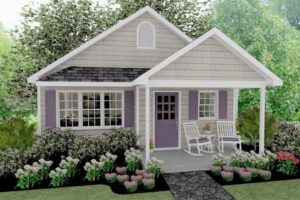
- Cottage Style: Characterized by a cozy and whimsical appearance, cottage-style tiny homes often feature steep roofs, overhanging eaves, and charming porches.
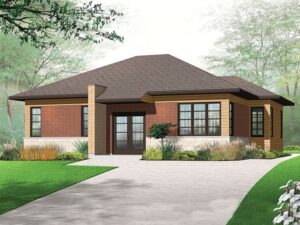
- Modern Design: This style emphasizes clean lines, open spaces, and large windows to create a bright and airy feel. Materials like glass, metal, and wood are frequently used.
- Rustic Style: Utilizing reclaimed wood and natural materials, rustic tiny homes offer a warm and inviting atmosphere, often incorporating elements like exposed beams and stone accents.
- Container Homes: Built using repurposed shipping containers, these homes provide a unique industrial look and are highly customizable, offering sustainable living options.
- Traditional Style: Inspired by classic house designs, these tiny homes may feature front porches, pitched roofs, and symmetrical facades, appealing to those who appreciate a timeless aesthetic.
Functional Tiny Home Layouts
The layout of a tiny home is crucial for ensuring both comfort and functionality. Here are some efficient design elements often utilized in tiny home layouts:
Efficient design maximizes space and enhances livability, even within small square footage.
- Open Floor Plan: This design eliminates unnecessary walls, creating a seamless flow between living, kitchen, and dining areas, making the space feel larger.
- Multi-Functional Furniture: Utilizing furniture that serves multiple purposes, such as a sofa bed or a foldable dining table, optimizes space while maintaining functionality.
- Lofted Sleeping Areas: Elevating the sleeping area frees up floor space for other uses, such as a home office or additional storage.
- Efficient Storage Solutions: Incorporating built-in shelves, under-bed storage, and wall-mounted organizers enhances organization without crowding the space.
- Outdoor Living Areas: Extending the living space outdoors with patios or decks encourages outdoor activities and provides additional relaxation areas.
Zoning Laws and Their Impact on Tiny Home Plans
Zoning regulations can significantly affect tiny home construction and placement. Understanding local zoning laws is essential for potential tiny homeowners. These laws dictate where tiny homes can be built, their size, and even how they must be constructed.
Understanding zoning laws is critical for ensuring compliance and successfully locating a tiny home.
- Minimum Size Requirements: Many municipalities impose minimum square footage for homes, which can restrict tiny home options.
- Setback Regulations: Zoning laws often specify how far homes must be set back from property lines, affecting how much land is available for tiny home placement.
- Land Use Designations: Some areas may be zoned strictly for single-family homes or commercial use, limiting where tiny homes can be legally installed.
- Building Codes: Tiny homes must comply with local building codes, which cover essential aspects such as safety, structural integrity, and utility installations.
- Temporary vs. Permanent Residences: Some regions allow tiny homes as temporary dwellings but may require different permits for permanent residency.
Community and Tiny Homes
Tiny homes have become more than just a minimalist living trend; they have fostered unique communities that embody sustainable living principles. These communities not only promote a smaller environmental footprint but also create a strong sense of connection among residents. Living in a tiny home community can lead to shared resources, cooperative living, and a lifestyle that emphasizes sustainability and simplicity.Tiny home communities serve as a model for sustainable living, where individuals come together to share common goals of environmental responsibility and social interaction.
These communities often prioritize eco-friendly practices, such as communal gardens, shared tools, and car-sharing programs, making it easier for residents to live sustainably. Furthermore, they often feature amenities that support a green lifestyle, like solar panels and rainwater harvesting systems, reinforcing the community’s commitment to sustainability.
Social Benefits of Tiny Home Communities
The social fabric of tiny home communities plays a significant role in enhancing residents’ quality of life. The unique living arrangements foster a sense of belonging and support, which can be particularly beneficial in today’s fast-paced world. Here are some key social benefits of living in a tiny home community:
- Stronger Relationships: The close-knit nature of tiny home communities encourages residents to form deep connections with one another, leading to lasting friendships and support networks.
- Shared Resources: Community members can share tools, appliances, and even vehicles, which reduces individual expenses and promotes a collaborative spirit.
- Community Events: Many tiny home communities organize events like potlucks, workshops, and clean-up days, creating opportunities for residents to engage and bond.
- Emotional Well-being: Living in a supportive community can enhance emotional health, reducing feelings of isolation and loneliness that often accompany urban living.
- Collective Security: A strong community provides an added layer of security, as neighbors look out for each other, creating a safer living environment.
Success Stories in Tiny Home Settings
Individuals and families across the globe have found great success and fulfillment in tiny home communities. These stories highlight the diverse ways that living small can lead to a richer, more meaningful life. For example, the community of Eco Villages in Ithaca, New York, is a pioneer in sustainable living where residents have created a vibrant, cooperative lifestyle. They collectively maintain gardens and share resources, all while prioritizing ecological sustainability.Another inspiring narrative comes from the Tiny House Community in Portland, Oregon, where families have thrived in tiny homes that emphasize affordability and community spirit.
Residents report significant reductions in living costs, allowing them to invest in experiences and activities rather than material possessions. These stories underline the potential of tiny home communities to not only support sustainable living but also enhance social ties, making life more enjoyable and fulfilling for all involved.
Closing Summary
In conclusion, embracing tiny homes for sustainable living is more than just a trend; it’s a lifestyle choice that fosters environmental responsibility and community connection. By opting for smaller spaces, we not only simplify our lives but also contribute to a healthier planet, making every square foot count. As more individuals and families join this movement, the potential for positive change is immense.
Popular Questions
What are the main benefits of tiny homes?
Tiny homes offer lower environmental impact, reduced living expenses, and a simplified lifestyle.
How do tiny homes contribute to sustainability?
They reduce resource consumption, promote energy efficiency, and encourage eco-friendly living practices.
Can you still have a comfortable living space in a tiny home?
Absolutely! With smart design and multifunctional furniture, tiny homes can be both comfortable and stylish.
Are tiny homes suitable for families?
Yes, many families thrive in tiny homes by utilizing space-saving solutions and creating functional layouts.
What should I consider when choosing a tiny home?
Consider factors like location, layout, building codes, and whether it meets your lifestyle needs.