Japandi furniture style is a captivating fusion of Japanese minimalism and Scandinavian functionality, creating a harmonious aesthetic that resonates in modern interiors. Originating from two distinct cultures, this style emphasizes simplicity while ensuring that each piece serves a purpose, making it an ideal choice for those who appreciate both beauty and utility.
This design philosophy highlights the importance of natural materials, a muted color palette, and the seamless integration of indoor and outdoor spaces, allowing for a tranquil living environment that feels both inviting and serene.
Introduction to Japandi Furniture Style
Japandi furniture style represents a harmonious blend of Japanese and Scandinavian design philosophies, creating a unique aesthetic that emphasizes simplicity, functionality, and natural beauty. Emerging from a desire for minimalistic and serene living environments, this style is a modern interpretation that draws upon the rich cultural heritages of both regions.The fusion of Japanese and Scandinavian elements in Japandi style results in an elegant yet understated look.
Japanese design is often characterized by its attention to detail, craftsmanship, and a connection with nature, while Scandinavian design offers practicality, lightness, and a focus on comfort. This combination results in spaces that are both inviting and visually pleasing, marked by clean lines, organic shapes, and a palette of muted, earthy tones.
Key Characteristics of Japandi Style
Understanding the defining characteristics of Japandi furniture helps to appreciate its aesthetic and functional appeal. These features not only shape the overall look but also influence how people interact with their spaces. The following points highlight the main traits of Japandi style:
- Minimalism: Japandi design embraces minimalism by focusing on essential elements, reducing clutter, and prioritizing quality over quantity. This creates a tranquil environment that encourages mindfulness.
- Natural Materials: The use of wood, bamboo, and textiles like linen and cotton are prevalent in Japandi furniture. These materials enhance warmth and foster a connection to nature, often highlighting their textures and grains.
- Neutral Color Palette: Soft, muted tones dominate the color schemes in Japandi interiors. Shades of beige, gray, and pastels are common, allowing for a calming atmosphere while serving as a backdrop for accent pieces.
- Functional Form: Every piece of furniture in Japandi style is designed with function in mind. This practicality ensures that items are not only aesthetically pleasing but also serve a purpose, promoting a harmonious lifestyle.
- Emphasis on Craftsmanship: Attention to detail and high-quality craftsmanship are essential in Japandi design. Furniture often features intricate joinery and finishes that reflect traditional techniques from both cultures.
“Japandi style embodies the art of simplicity and the beauty of thoughtful design, creating spaces that breathe tranquility.”
Incorporating these elements into home decor can transform spaces into serene retreats that promote relaxation and well-being. Japandi furniture pieces often serve as focal points, blending seamlessly into the surrounding environment to enhance the overall aesthetic without overwhelming it.
Key Features of Japandi Furniture
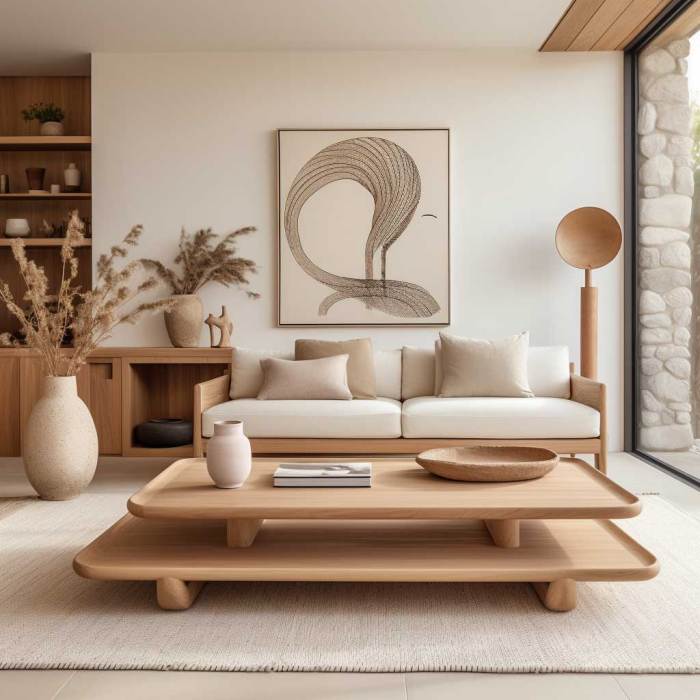
Japandi furniture style beautifully marries Japanese minimalism with Scandinavian functionality. This unique design approach produces pieces that radiate simplicity and elegance, focusing on quality craftsmanship and thoughtful details. The result is an aesthetic that emphasizes both beauty and practicality, making it a popular choice for modern interiors.The primary materials used in Japandi furniture are essential in reflecting its core principles.
Typically, natural materials take center stage, highlighting the connection to nature that both Japanese and Scandinavian designs value highly. Common materials include wood, particularly light woods like pine and oak, as well as bamboo, which is celebrated for its sustainability and charm. Additionally, stone and ceramics play significant roles, often featured in accessories or structural elements that add texture and depth to spaces.
Color Palette of Japandi Style
The color palette associated with Japandi style is characterized by muted, earthy tones that create a calm and inviting atmosphere. Soft neutrals such as beige, taupe, and white form the foundation, while deeper shades like charcoal, navy, and forest green provide balance and depth. This harmonious blend of colors encourages tranquility and enhances the natural light in a room, fostering a serene environment.
Furthermore, accent colors may include dusty pastels or rich jewel tones, used sparingly to add visual interest without overwhelming the minimalist aesthetic.
Importance of Minimalism and Functionality in Design
Minimalism and functionality are foundational elements of Japandi design, promoting a lifestyle that values simplicity and purpose. This approach fosters environments that are not only aesthetically pleasing but also highly practical. Each piece of furniture is thoughtfully designed to serve a specific function while maintaining a clean and uncluttered look. Key aspects of this philosophy include:
- Streamlined Forms: Furniture pieces in the Japandi style often feature simple, geometric shapes that facilitate ease of movement and create a sense of spaciousness.
- Multi-Functional Pieces: Many items are designed with versatility in mind, such as storage ottomans or extendable dining tables, allowing for adaptability in various settings.
- Quality over Quantity: Emphasis is placed on well-crafted, durable pieces that stand the test of time, reinforcing the idea that less is more.
- Decluttered Spaces: The design encourages a clear, organized environment that minimizes distractions and enhances focus on the essentials.
“The beauty of Japandi lies in its ability to blend style with function, creating spaces that are both inviting and practical.”
Incorporating Japandi Style in Home Furniture
Integrating the Japandi style into your home furniture can transform your space into a harmonious blend of Japanese minimalism and Scandinavian functionality. This design philosophy emphasizes simplicity, natural materials, and craftsmanship, making it crucial to choose pieces that reflect these values. By carefully selecting and arranging furniture, you can create a tranquil environment that is both stylish and functional.When incorporating Japandi furniture into your home, it’s essential to focus on pieces that embody clean lines, organic shapes, and a muted color palette.
This approach not only helps in achieving a cohesive look but also ensures that your space feels inviting and serene.
Selecting Furniture Pieces
Choosing the right furniture is vital for achieving the Japandi aesthetic. Opt for pieces that highlight natural materials such as wood, bamboo, linen, and stone. These elements not only contribute to a warm atmosphere but also reinforce sustainability, a core value in Japandi design. Here are key tips for selecting the right furniture:
- Natural Materials: Look for furniture made from sustainably sourced wood or organic textiles. For example, a solid oak dining table or a linen sofa can serve as beautiful focal points.
- Simple, Functional Design: Prioritize pieces with clean lines and minimal ornamentation. A sleek Scandinavian-inspired armchair can blend seamlessly with a Japanese-style coffee table, creating a balanced look.
- Muted Color Palette: Choose colors like soft greys, earthy browns, and natural whites to maintain a calm atmosphere. Accent pieces in these tones can enhance the aesthetic without overwhelming the space.
Mixing and Matching Styles
Mixing Japandi furniture with other styles can add personality to your space while still maintaining harmony. Combining elements from different design philosophies can create a unique and inviting environment. Consider the following strategies for successful blending:
- Accent with Bohemian Elements: Incorporate textured throws and patterned cushions to add warmth and comfort, complementing the serene Japandi core.
- Balance Between Modern and Traditional: Pair modern Japandi furniture with traditional pieces, like a vintage sideboard or a handwoven rug, to create visual interest and depth.
- Highlight Contrast: Use contrasting materials to create depth, such as pairing a sleek wood table with ceramic or metal accents. This contrast emphasizes the beauty of both styles without clashing.
Importance of Balance and Harmony
In Japandi design, the arrangement of furniture is just as important as the pieces themselves. Achieving balance and harmony is crucial for creating a serene environment. Here are some essential factors to consider when arranging your Japandi furniture:
- Proportions: Ensure that larger pieces don’t overwhelm smaller ones. A spacious layout with appropriately scaled furniture can enhance comfort and tranquility.
- Functional Flow: Arrange furniture to promote easy movement throughout the space. Leave enough room for pathways and avoid clutter to maintain a clean, spacious feel.
- Layering Textures: Introduce a variety of textures to enhance visual interest while keeping the overall look balanced. Pair soft fabrics with smooth wood finishes to create a cozy yet refined atmosphere.
“The beauty of Japandi lies in its simplicity, where less truly can be more, creating spaces that are both functional and visually calming.”
Green Living with Japandi Furniture
Japandi furniture is not just a design choice; it embodies a commitment to sustainability and a lifestyle that values eco-friendliness. This design style harmoniously blends Japanese minimalism with Scandinavian functionality, prioritizing both aesthetics and environmental responsibility. By incorporating Japandi furniture into your home, you can foster a serene atmosphere while making a positive impact on the planet.Japandi furniture contributes to sustainable living by emphasizing quality over quantity and promoting a minimalist lifestyle.
The focus is on creating spaces that are clutter-free, which naturally leads to a reduced consumption of resources. Most Japandi pieces are crafted from sustainable materials such as reclaimed wood, bamboo, and rattan, which not only minimize waste but also offer durability. This approach results in furniture that lasts longer and requires fewer replacements, thereby reducing overall environmental impact.
Eco-Friendly Materials in Japandi Design
The materials used in Japandi furniture play a significant role in its sustainable philosophy. Here are some key eco-friendly materials commonly found in Japandi design:
- Reclaimed Wood: Utilizing wood that has already served a purpose reduces the need for new timber, preserving forests and minimizing deforestation.
- Bamboo: A rapidly renewable resource, bamboo is both strong and lightweight, making it an ideal choice for furniture that is both stylish and sustainable.
- Rattan: This natural vine is known for its flexibility and durability. It can be sustainably harvested without harming the plant, making it an eco-conscious alternative.
- Natural Linens and Cotton: Fabrics like organic cotton and linen are biodegradable and produced without harmful pesticides, ensuring a minimal ecological footprint.
The incorporation of these materials not only supports sustainable practices but also creates a warm and inviting ambiance in your living spaces.
Enhancing Japandi with Natural Light and Indoor Plants
Natural light and indoor plants are integral to achieving the Japandi aesthetic, as they enhance both the beauty and sustainability of your home. Natural light fosters a sense of openness and connection to nature, aligning perfectly with Japandi’s emphasis on calmness and simplicity. Large windows, sliding glass doors, and open layouts are common in Japandi homes, allowing ample light to filter in.Indoor plants further complement the Japandi style by bringing the outdoors inside, promoting air purification, and enhancing overall well-being.
Popular choices include:
- Snake Plant: Known for its resilience and air-purifying qualities, the snake plant thrives in various light conditions.
- Pothos: With trailing vines and easy care requirements, pothos adds a touch of greenery and elegance to any space.
- Fiddle Leaf Fig: This statement plant offers a bold aesthetic and thrives in bright, indirect light, making it a favorite in Japandi interiors.
- Peace Lily: Beyond its beauty, the peace lily is known for its ability to filter indoor pollutants, contributing to a healthier living environment.
Incorporating these plants not only enhances visual appeal but also reinforces the Japandi philosophy of living harmoniously with nature.
Japandi Style and Home Inspections
The integration of Japandi furniture into home design not only enhances aesthetic appeal but also influences home inspections and property value. As a blend of Japanese minimalism and Scandinavian functionality, Japandi style creates an environment that resonates with tranquility and harmony. Home inspectors increasingly recognize these qualities, which can significantly impact the overall valuation during assessments.Inspectors look for specific features when evaluating homes styled with Japandi elements.
The seamless merge of functionality and aesthetics is a hallmark of this design trend. The following aspects are commonly assessed during home inspections in Japandi-inspired homes:
Common Features in Japandi Homes
Several characteristics stand out in Japandi homes, which inspectors prioritize during their evaluations. These features not only reflect the style itself but also contribute to the overall condition and value of the property.
- Natural Materials: Inspectors favor the use of wood, bamboo, and other organic materials that are staples in Japandi design. These materials are not only durable but also promote a healthier living environment.
- Simplicity and Clarity: The minimalist approach of Japandi style means that homes often have fewer items, making it easier for inspectors to assess structural integrity and potential issues.
- Efficient Use of Space: Well-thought-out layouts that avoid clutter enhance functionality. Inspectors appreciate spaces that allow for movement and accessibility.
- Eco-Friendly Features: Incorporating sustainable practices, such as energy-efficient appliances and natural insulation, is increasingly scrutinized. Inspectors recognize these elements as adding value to the home.
- Attention to Detail: Crafted furniture and fixtures that exhibit fine workmanship reflect quality. Inspectors regard these as indicators of overall property maintenance and care.
The importance of a cohesive design in a Japandi home can’t be understated. A harmonious blend of elements not only creates visual appeal but also influences buyer perception during inspections. Buyers are often drawn to homes that showcase a clear design language, which suggests thoughtfulness and care.
The perception of a well-styled home can lead to higher offers and faster sales.
A cohesive design that effectively combines functionality and aesthetics can be a significant selling point. Home inspectors noting these elements often view the property as more desirable, subsequently boosting its market value. Buyers feeling a sense of connection to a well-executed Japandi environment are more likely to see the home as a worthwhile investment.
Heating and Air Conditioning in Japandi Homes
The harmony of design and function is essential in Japandi homes, especially when it comes to heating and air conditioning systems. These homes are characterized by minimalism and efficiency, which means that any climate control solutions must integrate seamlessly with the overall aesthetic. The goal is to maintain comfort while preserving the clean lines and natural materials that define this style.Incorporating heating and cooling systems in Japandi design requires a thoughtful approach that balances form and function.
Traditional methods, such as radiators and window air conditioning units, can disrupt the streamlined look of a Japandi interior. Instead, modern solutions like underfloor heating and ductless mini-split systems are preferred for their unobtrusive nature. These systems can be hidden away or integrated into the architecture, ensuring that they do not detract from the serene ambiance of the space.
Modern Climate Control Solutions
Modern climate control solutions offer significant advantages to Japandi homes, especially when it comes to aesthetics and efficiency. Key features of these systems include:
- Underfloor Heating: This method provides even heat distribution while eliminating the need for visible radiators, maintaining the clean floor space typical in Japandi designs.
- Ductless Mini-Split Systems: These systems allow for individual room temperature control without the bulk of traditional HVAC systems, blending well with the understated style.
- Smart Thermostats: Integrating smart technology enhances energy efficiency and comfort, allowing homeowners to adjust their environment without sacrificing design.
- Passive Design Elements: Large windows and strategically placed overhangs can maximize natural light and ventilation, reducing the reliance on artificial heating and cooling.
The choice of materials and colors in heating and air conditioning systems also plays an important role in maintaining the Japandi aesthetic. Opting for neutral tones and natural finishes ensures these systems complement rather than detract from the overall design.
“In Japandi homes, comfort and beauty coexist through thoughtful integration of technology and design.”
By leveraging modern climate control solutions, homeowners can enjoy a comfortable living environment while remaining true to the principles of Japandi style. This integration not only enhances the functionality of the home but also elevates the overall design experience, creating a sanctuary that reflects simplicity and tranquility.
Designing House Plans with Japandi Influence
Incorporating the Japandi style into house plans is an artful approach that emphasizes simplicity, functionality, and a connection with nature. This design philosophy merges Japanese minimalism with Scandinavian warmth, creating spaces that are not only aesthetically pleasing but also enhance well-being. The goal is to create open, airy environments that foster harmony and tranquility.The layout of a Japandi-inspired home is essential in achieving this ambiance.
By focusing on open spaces, the design promotes a seamless flow between areas, maximizing natural light and minimizing clutter. The careful arrangement of rooms to facilitate interaction with nature is vital, ensuring that every aspect of the home contributes to a peaceful atmosphere.
Open Space Layouts
A hallmark of Japandi design is the emphasis on open spaces. This approach not only makes homes feel larger but also encourages a sense of freedom and leisure. Key elements to consider when designing open layouts include:
- Fluid transitions: Create a natural flow between living, dining, and kitchen areas. Use sliding doors or wide arches instead of traditional walls to maintain continuity.
- Multi-functional spaces: Design rooms that serve multiple purposes, such as a living room that doubles as a workspace, promoting efficiency and maximizing the use of space.
- Central gathering areas: Establish a focal point in the home, like a spacious kitchen island or an open fireplace, to encourage family gatherings and social interaction.
Natural Elements and Light Flow
A Japandi-inspired house plan should prioritize the integration of natural elements and light. This can significantly enhance the overall ambiance, making spaces feel more inviting and alive. Consider the following design strategies:
- Large windows: Incorporate oversized windows that allow ample natural light, creating a bright, open atmosphere and fostering a connection with the outside world.
- Natural materials: Use materials such as wood, stone, and bamboo in construction and furnishing to establish a direct link to nature, enhancing the organic feel of the space.
- Indoor plants: Integrate greenery throughout the home, using planters or green walls to improve air quality and add a vibrant touch that complements the overall aesthetic.
Essential Features in Japandi Home Design
When designing a home influenced by Japandi style, several key features must be incorporated to create the desired effect:
- Simplicity and functionality: Every element should serve a purpose, avoiding unnecessary decoration or complex designs that detract from the style’s core values.
- Neutral color palette: Utilize a soothing color scheme that includes earthy tones, soft whites, and muted pastels, creating a calm and cohesive environment.
- Low furniture profiles: Select furniture that has a low profile, promoting a sense of spaciousness and aligning with the minimalist approach characteristic of Japandi.
- Natural lighting: Design spaces that maximize natural light, using skylights or strategically placed windows that invite the outside in.
“The essence of Japandi lies in its celebration of simplicity, harmony, and connection to nature.”
Incorporating these design strategies into house plans will create a tranquil and aesthetically pleasing environment that embodies the unique charm of the Japandi style. Each element should work together to promote a sense of peace and balance, enhancing both the functionality and beauty of the home.
Ending Remarks
In summary, the Japandi furniture style offers a unique approach that merges cultural richness with contemporary needs. By embracing minimalism and sustainability, this style not only enhances the aesthetic appeal of your home but also promotes a lifestyle centered around balance and mindfulness, making it a rewarding choice for any space.
FAQ Guide
What is the main philosophy behind Japandi style?
The main philosophy of Japandi style is to create a balanced, serene environment through minimalistic design that emphasizes functionality, quality, and natural materials.
Can Japandi furniture mix with other styles?
Yes, Japandi furniture can be mixed with other design styles, especially those that prioritize simplicity and natural elements, such as modern farmhouse or industrial styles.
What colors are typically used in Japandi furniture?
Japandi furniture typically features a muted color palette, including earthy tones, whites, and soft pastels that evoke a sense of calm and tranquility.
How is sustainability addressed in Japandi design?
Sustainability in Japandi design is addressed by using eco-friendly materials, promoting longevity in furniture pieces, and encouraging a connection with nature through the use of plants and natural light.
What are key materials used in Japandi furniture?
Key materials in Japandi furniture include wood, bamboo, and natural textiles that enhance the overall aesthetic while being environmentally friendly.