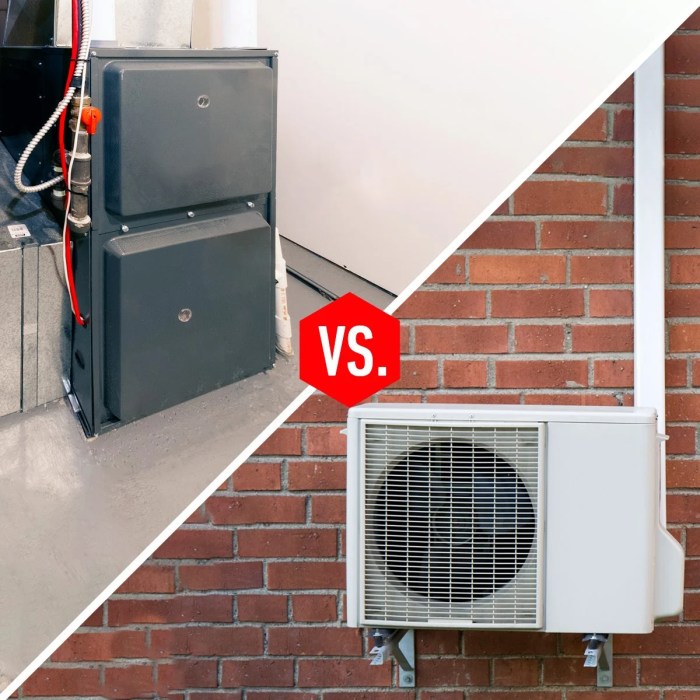
Heat pump vs furnace presents an intriguing choice for homeowners navigating the world of heating solutions. Each system comes with its unique set of benefits and drawbacks, shaping the comfort of our living spaces and impacting our energy bills.
This discussion delves into the essential differences between heat pumps and furnaces, exploring their efficiency ratings, installation costs, and maintenance needs while considering their performance in various climates and their environmental implications.
Comparison of Heat Pumps and Furnaces
When considering home heating options, understanding the differences between heat pumps and furnaces is essential. Each system has its unique operating mechanisms, efficiency levels, and maintenance requirements that can significantly impact your energy bills and overall comfort. This comparison will highlight these aspects, helping homeowners make informed decisions.
Fundamental Differences between Heat Pumps and Furnaces
Heat pumps and furnaces operate on different principles. A heat pump works by transferring heat from one place to another and can function both as a heater and an air conditioner, making it a versatile option. In contrast, a furnace generates heat by burning fuel such as gas, oil, or using electricity to heat air that is then distributed throughout the home.
Heat pumps are known for their dual functionality, while furnaces focus solely on heating.
Efficiency Ratings and Impact on Energy Bills
Efficiency ratings play a crucial role in determining how much energy each system consumes, which in turn affects utility bills. Heat pumps are often rated using the Heating Season Performance Factor (HSPF) and Seasonal Energy Efficiency Ratio (SEER), where higher ratings indicate better efficiency. Furnaces, on the other hand, are evaluated based on Annual Fuel Utilization Efficiency (AFUE) ratings.
Heat pumps can achieve efficiencies as high as 300%, whereas furnaces typically range from 80% to 98% AFUE.
The implications for energy bills are significant:
- Heat pumps can reduce energy consumption during milder climates, leading to lower monthly costs.
- Furnaces can be more cost-effective during extremely cold weather, as they can produce greater heat output quickly.
Installation Costs and Maintenance Requirements
Installation costs differ notably between heat pumps and furnaces. Typically, heat pumps involve a higher upfront investment due to their complexity and the requirement for both indoor and outdoor units. Furnaces generally have lower installation costs, especially if existing ductwork can be utilized.
Homeowners may expect to pay between $3,500 to $8,000 for a new heat pump, while furnace installation can range from $2,000 to $6,000.
Ongoing maintenance is also essential for both systems to ensure longevity and efficiency:
- Heat pumps require regular cleaning of filters and outdoor coils to maintain efficiency.
- Furnaces need annual inspections, and filters should be replaced regularly to ensure optimal operation.
In summary, the choice between a heat pump and a furnace depends on various factors, including climate, budget, and personal preferences regarding efficiency and maintenance.
Performance in Different Climates
Heat pumps and furnaces exhibit distinct performance characteristics depending on the climate in which they operate. Understanding these differences is critical for homeowners and businesses when selecting the most efficient heating system for their specific environment. While heat pumps can offer significant advantages in moderate climates, their effectiveness diminishes in colder regions, where traditional furnaces often excel.Heat pumps operate by transferring heat rather than generating it, making them highly efficient in environments where temperatures remain mild.
In contrast, furnaces generate heat through combustion and are designed to excel in extreme cold, providing reliable warmth even when outdoor temperatures plummet. This fundamental difference impacts the efficiency and reliability of each system across varying climatic conditions.
Performance in Moderate Climates
In moderate climates, heat pumps are particularly advantageous due to their ability to extract heat from the air, even in cooler temperatures. Locations such as California’s coastal regions, Florida, and parts of the Pacific Northwest often experience mild winters, making heat pumps the ideal choice for heating needs. The operational efficiency of heat pumps in these areas can lead to significant energy savings, yielding benefits such as reduced utility bills and a lower carbon footprint.
Performance in Colder Climates
Conversely, in colder climates where temperatures frequently drop below freezing, furnaces demonstrate superior performance. States like Minnesota, North Dakota, and parts of New England experience harsh winters, requiring heating systems that can provide consistent, high output. In these regions, heat pumps may struggle to maintain efficiency as outdoor temperatures fall, leading to decreased heating capacity and increased reliance on backup heating systems.
“When temperatures drop significantly, the efficiency of heat pumps can be compromised, often resulting in reduced heating capacity.”
Impact of Extreme Temperatures
Extreme temperatures can significantly affect the operational efficiency of both heat pumps and furnaces. For heat pumps, as outdoor temperatures fall below a certain threshold (usually around 30°F or -1°C), their ability to extract heat decreases sharply, leading to diminished performance. This is where backup heating systems, such as electric resistance heaters, may kick in, increasing energy consumption and costs.Furnaces, on the other hand, are designed to operate effectively regardless of external conditions.
Their ability to generate heat through combustion allows them to maintain performance even in frigid temperatures. In extreme cold, furnaces can achieve high efficiency ratings, ensuring that homes remain warm and comfortable throughout the winter months.Overall, the choice between heat pumps and furnaces should be guided by the specific climate conditions of the installation location. Analyzing local weather patterns and temperature extremes plays a vital role in selecting the right heating system for optimal performance and energy efficiency.
Environmental Impact
The choice between heat pumps and furnaces significantly affects our environment, particularly concerning their carbon footprint and energy consumption. Understanding how each heating solution impacts the environment can guide homeowners toward more eco-friendly options. Heat pumps are generally considered more environmentally friendly than traditional furnaces, especially when examining their carbon footprint. They utilize electricity to transfer heat rather than generating it through combustion, which is a primary source of greenhouse gas emissions in furnaces.
In fact, according to the U.S. Department of Energy, heat pumps can reduce carbon emissions by up to 50% compared to gas or oil furnaces when powered by cleaner electricity sources.
Renewable Energy Sources for Heat Pumps
Renewable energy sources can significantly enhance the sustainability of heat pumps, making them an attractive option for environmentally conscious homeowners. When heat pumps are powered by renewable energy, their environmental impact diminishes even further. The following renewable energy sources can effectively power heat pumps:
- Solar Energy: Solar panels can convert sunlight into electricity, which can be harnessed to run heat pumps. This not only reduces reliance on fossil fuels but also leads to lower utility bills.
- Wind Energy: Wind turbines generate electricity through wind power, which can supply energy for heat pumps. Regions with strong wind resources can benefit significantly from this clean energy source.
- Geothermal Energy: Geothermal heat pumps utilize the earth’s stable underground temperature. This method is exceptionally efficient and has a minimal environmental impact since it relies on the natural heat stored in the ground.
- Hydropower: Hydroelectric power plants can generate substantial amounts of electricity with low emissions, providing a clean energy source for heat pumps.
The integration of these renewable energy sources not only reduces the overall carbon footprint of heat pumps but also promotes a sustainable energy economy.
Government Incentives for Eco-Friendly Heating Solutions
Various government incentives are available to encourage homeowners to adopt eco-friendly heating solutions like heat pumps. These incentives are designed to make renewable energy technologies more accessible and affordable. Some notable incentives include:
- Tax Credits: Homeowners may qualify for federal and state tax credits when installing heat pumps, which can significantly offset the initial costs.
- Rebates: Many utility companies offer rebates for the installation of energy-efficient systems, including heat pumps. These rebates can help reduce the financial burden on homeowners.
- Low-Interest Loans: Some government programs provide low-interest loans for energy-efficient home upgrades, making it easier for homeowners to invest in heat pumps.
- Energy Efficiency Grants: Various environmental organizations and governmental bodies offer grants for energy-efficient home improvements, which can cover part of the installation costs for heat pumps.
These incentives not only promote the adoption of heat pumps but also contribute to broader efforts to reduce greenhouse gas emissions and combat climate change. By taking advantage of these programs, homeowners can make a positive impact on the environment while enjoying energy savings and increased comfort in their homes.
Home Furniture Considerations
When designing a space with heat pumps or furnaces in mind, it’s essential to consider how the arrangement and materials of your furniture can affect the overall efficiency of your heating solution. Proper placement can enhance comfort while maximizing the performance of your heating system. This section provides tips and insights on strategically arranging furniture to create a cozy and energy-efficient home environment.The layout of your furniture can significantly influence how heat circulates within a room.
Heat pumps, known for their ability to distribute air evenly, require careful consideration of furniture placement to avoid obstructing airflow. Additionally, the choice of furniture materials can affect heat retention and comfort levels. Using materials that promote warmth and comfort while supporting energy efficiency is crucial.
Tips for Arranging Furniture with Heat Pump Placements in Mind
To optimize comfort and airflow in your home, consider the following tips when arranging your furniture:
- Keep airflow pathways clear: Avoid placing large furniture pieces directly in front of heat pumps or vents to ensure unobstructed airflow.
- Utilize low-profile furniture: Choose furniture that sits lower to the ground to avoid blocking heat from reaching upper areas of the room.
- Create cozy zones: Position seating areas near heat sources while allowing space for air circulation, promoting warmth where people typically gather.
- Incorporate rugs: Use area rugs to help retain heat in the space, providing a warm touch underfoot.
- Consider furniture shape: Opt for rounded or modular furniture to enhance movement within the room and facilitate better airflow.
Influence of Heating Solutions on Furniture Materials and Placements
The type of heating solution in your home can dictate your choices in furniture materials and placements. For instance, homes heated by heat pumps may benefit from different materials compared to those using traditional furnaces.
- Opt for lightweight fabrics that breathe well, such as cotton or linen, as they work well with the moderate temperatures produced by heat pumps.
- Choose darker wood finishes or upholstered pieces that can absorb warmth if your home is heated by a furnace, as these materials can help retain heat.
- Incorporate thermal curtains or insulated window treatments to help maintain indoor temperatures and complement your heating system.
- Use furniture with built-in storage to maximize space and avoid clutter that could obstruct airflow.
- Select ergonomic designs that support comfort and usability, especially in areas utilizing radiant heat sources.
Checklist for Homeowners When Choosing Furniture for Energy-Efficient Homes
When selecting furniture for an energy-efficient home, consider this essential checklist to ensure your choices align with your heating solution and overall comfort needs:
- Research and choose energy-efficient materials that provide good insulation, such as bamboo or reclaimed wood.
- Evaluate the size and scale of furniture to ensure it fits well within the room without obstructing heat circulation.
- Check for certifications or ratings indicating the sustainability of materials used in furniture production.
- Consider the durability of materials to reduce the need for replacement and promote longevity.
- Prioritize multi-functional furniture that can serve various purposes while minimizing space usage and maximizing comfort.
Green Living Practices
Integrating heat pumps into a green living lifestyle offers numerous benefits, enhancing home comfort while reducing environmental impact. As energy-efficient systems, heat pumps not only heat and cool your home but also do so with significantly lower greenhouse gas emissions compared to traditional heating methods. By embracing such technologies, homeowners can contribute to a more sustainable future while enjoying cost savings on energy bills.Adopting methods to reduce energy consumption is essential for maximizing the benefits of heat pumps and maintaining an eco-friendly household.
Simple changes in daily habits, along with the right heating solutions, can further minimize your carbon footprint. Here are some effective strategies to incorporate into your green living practices:
Energy-Saving Strategies
Implementing energy-saving strategies in your home can lead to substantial reductions in energy consumption. Consider these practical methods:
- Regular Maintenance: Schedule annual maintenance for your heat pump to ensure it operates at peak efficiency. Clean filters and check ductwork to prevent energy loss.
- Smart Thermostats: Use programmable or smart thermostats to optimize heating schedules, allowing the system to adjust to your lifestyle and conserve energy when you’re away.
- Insulation Upgrades: Improve your home’s insulation to minimize heat loss. Attic and wall insulation significantly enhance the performance of heat pumps.
- Seal Air Leaks: Inspect your home for drafts and seal any leaks around windows and doors to prevent conditioned air from escaping.
- Use Zoning Systems: If your home is larger, consider zoning systems that allow you to heat specific areas as needed, reducing unnecessary energy use.
Sustainable practices in home heating not only focus on efficiency but also on the source of the energy used. Utilizing renewable energy sources, such as solar power, to run your heat pump can drastically decrease your home’s environmental impact.
“Integrating renewable energy sources with heat pumps can lead to a zero-emission heating solution.”
Incorporating energy-efficient appliances and utilizing natural ventilation strategies can also play a vital role in creating a sustainable heating environment. By making informed decisions and adopting green living practices, homeowners contribute to a healthier planet while enjoying the comfort and efficiency of modern heating solutions.
Importance of Home Inspections
Home inspections play a crucial role in evaluating the efficiency and functionality of heating systems such as heat pumps and furnaces. By conducting a thorough inspection, homeowners can identify issues that may lead to increased energy costs, safety concerns, or even system failures. A comprehensive assessment not only provides insight into the current state of the heating system but also informs necessary maintenance or upgrades, ensuring home comfort and safety.One of the primary functions of a home inspection is to evaluate how well the heating system operates within the home’s environment.
Inspectors look for signs of wear and tear, efficiency issues, and compliance with safety regulations. Understanding the key aspects to examine during an inspection can empower homeowners to make informed decisions about their heating systems.
Components to Assess in Heating System Inspections
When preparing for a heating system inspection, homeowners should be aware of several critical components that inspectors will evaluate to determine the efficiency and safety of the heating system. Here’s a guide to help you understand what to look for:
- Age of the System: The age of your heat pump or furnace significantly impacts its efficiency. Older systems may require more frequent repairs and can be less energy-efficient than newer models.
- Insulation Quality: Proper insulation in your home allows your heating system to work more efficiently. Inspectors will evaluate insulation in attics, walls, and basements to see if it meets current standards.
- Ductwork Integrity: Leaky or poorly insulated ducts can lead to significant energy loss. Inspectors check for visible leaks, blockages, and overall duct condition.
- Thermostat Functionality: A well-functioning thermostat ensures accurate temperature control. Inspectors will test thermostats to ensure they are properly calibrated and responsive.
- Ventilation Systems: Adequate ventilation is essential for both safety and efficiency. Inspectors will examine venting systems for proper installation and function, checking for blockages or damage.
- Safety Features: Safety components such as carbon monoxide detectors, pressure relief valves, and emergency shut-offs are evaluated to ensure they are operational and compliant with regulations.
Preparing for a heating system inspection involves more than just scheduling an appointment. Homeowners can take proactive steps to ensure a smooth process. Here are some essential tips to follow when preparing for an inspection:
- Clear Access Points: Ensure that the inspector has easy access to the furnace, heat pump, and ductwork. Move any furniture or clutter that may obstruct their ability to examine these areas.
- Gather Documentation: Compile any maintenance records, repair history, and installation documentation. This information can help the inspector assess the system’s service history.
- List Any Concerns: Note any specific issues you’ve observed, such as unusual noises, inconsistent heating, or high energy bills. This information can guide the inspection process.
- Maintain Temperature Conditions: Set your thermostat to a normal setting to allow the inspector to evaluate the system’s performance under typical conditions.
- Be Available for Questions: Be prepared to discuss any concerns or questions with the inspector. Their insights can provide valuable guidance on maintenance and potential upgrades.
A well-executed home inspection can lead to significant benefits, such as improved energy efficiency, enhanced safety, and peace of mind for homeowners. By understanding the importance of these evaluations and preparing accordingly, homeowners can ensure their heating systems operate at peak performance.
Designing House Plans
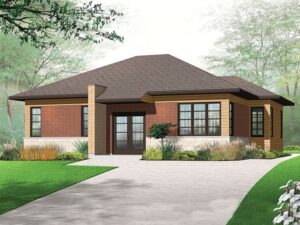
Designing house plans that effectively accommodate both heat pumps and furnaces requires careful consideration of layout and spatial distribution. A well-thought-out plan maximizes heating efficiency while ensuring comfort throughout the home. By focusing on strategic placement of heating systems and leveraging natural resources, homeowners can create an energy-efficient environment.One key element in designing house plans is to incorporate open floor plans, which facilitate optimal airflow and heating distribution.
This layout minimizes the need for excessive ductwork or radiators, allowing for efficient heating from both heat pumps and furnaces. Additionally, positioning heating units centrally can enhance their effectiveness, ensuring that warm air circulates evenly throughout the space.
Best Layouts for Heating Efficiency
When aiming for maximum heating efficiency in new constructions, certain layouts prove to be more effective than others. The following points illustrate some of the best practices for integrating heating solutions:
- Open Concept Living Areas: These designs use fewer walls, enabling heat to flow freely between rooms, reducing the workload on heating systems.
- Zoned Heating Plans: By creating distinct heating zones within the house, homeowners can tailor the heating needs of different rooms, improving energy efficiency.
- Strategic Placement of Windows: South-facing windows capture sunlight, which can supplement heating needs during colder months, while proper insulation around them helps retain warmth.
- Basement and Attic Utilization: Incorporating heating units in basements or attics allows for efficient heating strategies while maximizing living space in the main areas of the house.
Understanding the layout of the home is critical when planning for integrated heating solutions. House plans may include mechanical rooms designed specifically for housing both heat pumps and furnaces, ensuring easy access for maintenance and energy management.
Examples of House Plans with Integrated Heating Solutions
Several architectural designs effectively combine heat pumps and furnaces, showcasing innovative ways to enhance heating efficiency. These examples demonstrate practical integration:
- Modern Split-Level Design: This design separates living spaces over multiple levels, allowing for efficient heat distribution through strategically placed vents and duct systems, accommodating both heating methods.
- Ranch Style Homes: Featuring a single-level layout, ranch homes can incorporate radiant floor heating alongside heat pumps, delivering even warmth across the entire floor area.
- Passive Solar Homes: These homes are designed to utilize natural sunlight, reducing reliance on heating systems. Heat pumps can act as a supplemental system, ensuring comfort during colder months.
Each of these house plans highlights the importance of thoughtful design in achieving an energy-efficient, comfortable living space. By considering the unique characteristics of heat pumps and furnaces, homeowners can create plans that not only meet their heating needs but also promote sustainable living practices.
Cost Analysis Over Time
When considering the long-term investment of heating systems, it’s essential to analyze the costs associated with both heat pumps and furnaces. This analysis extends beyond initial installation expenses and includes energy consumption, maintenance, and lifespan, providing a clearer picture for homeowners. Understanding these factors can lead to informed decisions that align with budget expectations and heating needs.
Long-Term Operating Costs
The total cost of ownership for heating systems encompasses energy bills, maintenance, and potential repairs over time. Heat pumps typically have higher upfront costs but can offer lower operational costs due to their energy efficiency. In contrast, furnaces tend to have lower initial installation costs but may incur higher energy bills, especially in colder climates.To understand these differences, consider the following breakdown:
- Heat Pump Costs: Initial installation can range from $3,500 to $8,000. Average energy costs are about $1,200 annually, with maintenance costs around $150 to $300 per year.
- Furnace Costs: Initial installation ranges from $2,500 to $7,000. Average energy costs hover around $1,500 annually, with maintenance costs typically between $100 and $200 per year.
“Heat pumps can save homeowners over $1,000 in energy bills over their lifespan compared to traditional furnaces.”
Return on Investment for Homeowners
The return on investment (ROI) for heating systems largely depends on energy savings, maintenance costs, and the lifespan of the unit. Heat pumps can last up to 15-20 years, while furnaces usually have a lifespan of 15-30 years. However, energy savings from heat pumps can significantly impact ROI.Here’s a comparative analysis of ROI for both heating systems:
- Heat Pumps: With an average lifespan of 15-20 years, the energy savings can lead to a positive ROI within 5-7 years.
- Furnaces: Although they last longer (up to 30 years), the higher energy bills may result in a longer payback period, averaging about 7-10 years for a favorable ROI.
Maintenance Costs and Lifespan Expectancy
Understanding the maintenance and lifespan of each system is crucial for budgeting. The costs associated with keeping these systems in optimal condition can add up, making some systems more financially viable in the long run.The following table summarizes maintenance costs and lifespan expectancy for both systems:
| Heating System | Average Lifespan (Years) | Annual Maintenance Cost ($) |
|---|---|---|
| Heat Pump | 15-20 | 150 – 300 |
| Furnace | 15-30 | 100 – 200 |
This data underlines the importance of factoring in maintenance costs alongside initial purchase prices when evaluating heating options. Over time, these ongoing costs can have a significant impact on the total expense of operating either system.
Outcome Summary
In conclusion, understanding the nuances of heat pumps and furnaces empowers homeowners to make informed decisions about their heating systems. By considering factors such as efficiency, environmental impact, and cost, you can select the best option that meets your needs and promotes a sustainable future.
FAQ Explained
Which is more energy-efficient a heat pump or a furnace?
Heat pumps tend to be more energy-efficient than furnaces, especially in moderate climates, as they transfer heat rather than generate it.
How long does each system typically last?
Heat pumps generally last around 15-20 years, while furnaces have a lifespan of about 15-30 years, depending on maintenance and usage.
Are heat pumps better for the environment than furnaces?
Yes, heat pumps have a lower carbon footprint compared to furnaces, especially when powered by renewable energy sources.
What factors should I consider when choosing between a heat pump and a furnace?
Consider your local climate, installation costs, energy bills, and environmental impact when deciding between the two systems.
Do heat pumps work in very cold climates?
Heat pumps can be less efficient in extreme cold, where furnaces often perform better, but newer models are designed to operate effectively in lower temperatures.