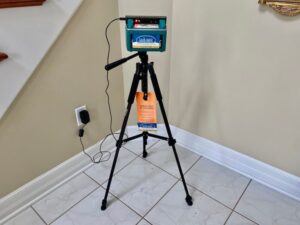
Mold inspection services are essential for maintaining a safe and healthy living environment. Mold can pose serious health risks and cause significant damage to your home if left unchecked. By understanding the importance of these services, homeowners can take proactive steps to identify and address mold issues before they escalate.
A thorough mold inspection involves a detailed examination of your property, including common signs such as a musty odor, visible mold growth, and water damage. Professionals use specialized tools and techniques to detect hidden mold and assess the overall indoor air quality, ensuring your home remains a safe haven.
Overview of Mold Inspection Services
Mold inspection services are critical for maintaining a healthy living environment in homes. Mold can lead to serious health issues and structural damage if left unchecked. Understanding the importance of these services can empower homeowners to take proactive measures in safeguarding their property and well-being.The process of conducting a mold inspection encompasses several key steps that ensure a comprehensive assessment of a property.
Initially, a trained inspector examines the property for visible signs of mold and moisture. This includes assessing areas prone to water intrusion, such as basements, bathrooms, and kitchens. Following the visual inspection, air and surface samples may be collected for laboratory analysis to identify the type and concentration of mold present. The inspector then compiles a detailed report that Artikels the findings and provides recommendations for remediation if necessary.
Common Signs Indicating the Need for Mold Inspection
Recognizing the signs that may indicate the presence of mold is crucial for prompt action. Homeowners should be vigilant in observing the following indicators:
- Visible Mold Growth: Any discoloration or fuzzy growth on walls, ceilings, or other surfaces can be a clear indication of a mold problem.
- Musty Odors: A persistent, unpleasant smell often suggests mold presence, even if it is not immediately visible.
- Water Damage: Stains, peeling paint, or warped surfaces from water leaks or flooding can create an ideal environment for mold.
- High Humidity Levels: Areas with consistently high humidity, often above 60%, are more susceptible to mold growth.
- Health Symptoms: Unexplained respiratory issues, allergies, or other health concerns that worsen indoors may be linked to mold exposure.
Being aware of these signs can help homeowners act quickly to mitigate mold growth and protect their health and property. Regular inspections are a proactive measure to ensure a safe and mold-free home environment.
Benefits of Professional Mold Inspection
Mold can be a silent intruder in your home, often hiding in places not easily visible. The benefits of hiring professionals for mold inspection go beyond just surface-level checks. Professionals have the skills and tools to detect mold presence accurately, which is crucial for maintaining a safe living environment. Professional mold inspectors come equipped with specialized tools and extensive training, allowing them to identify mold sources and potential health hazards that the average homeowner might overlook.
These inspections are thorough and can help prevent extensive damage to your property, saving you money in the long run.
Comparison of Professional Services versus DIY Mold Inspection
When it comes to addressing mold issues, homeowners may consider a DIY approach. However, this can lead to significant limitations when compared to professional services. A comparison of the two approaches highlights the advantages of hiring experts:
- Expertise and Training: Professionals have extensive training and certification in mold inspection, allowing them to identify mold types and assess the severity of the problem accurately.
- Advanced Equipment: Professional services use high-tech equipment, such as moisture meters and thermal imaging cameras, to detect hidden mold and moisture levels that DIY methods cannot accurately assess.
- Detailed Reporting: After a professional inspection, you receive a comprehensive report highlighting the findings and recommended remediation steps, which is essential for effective mold management.
- Health Protection: Mold can cause serious health issues, especially for vulnerable populations. Professionals understand these risks and can provide advice on how to minimize exposure.
Potential Risks of Ignoring Mold Issues
Ignoring mold problems in your home can lead to serious consequences that can affect your health and property. When mold goes untreated, it can proliferate, causing structural damage and health risks.The risks associated with neglecting mold issues include:
- Health Problems: Mold exposure can lead to respiratory issues, allergies, and other serious health conditions, especially among children and individuals with pre-existing health issues.
- Property Damage: Mold can weaken the structural integrity of your home, leading to costly repairs. The longer you wait to address mold, the more damage it can cause.
- Decreased Property Value: Homes with mold issues can lose value on the real estate market. Potential buyers are often wary of properties with a history of mold, leading to lower offers or difficulty selling.
- Increased Remediation Costs: Early detection and treatment are key. Ignoring mold can lead to more extensive remediation efforts, significantly increasing costs.
“An ounce of prevention is worth a pound of cure.” – Benjamin Franklin
Mold Inspection Procedures
Mold inspection is a critical process that helps identify mold growth and assess the extent of contamination within a property. Understanding the procedures involved in a mold inspection can empower homeowners and property managers to take proactive measures against mold-related issues. This segment will Artikel the typical steps taken during a mold inspection, a checklist to prepare for such inspections, and the tools and technologies that facilitate accurate assessments.
Typical Steps in a Mold Inspection
A systematic approach is essential for an effective mold inspection. The process typically includes the following steps:
- A thorough visual examination of the property to identify visible signs of mold growth.
- Assessment of moisture sources, including leaks or humidity issues, which contribute to mold formation.
- Collection of air and surface samples for laboratory analysis to determine mold species and concentration levels.
- Evaluation of HVAC systems, as they can circulate mold spores throughout the building.
- Review of the property’s history, including past water damage or mold remediation efforts.
- Preparation of a detailed report with findings and recommendations for remediation.
Checklist for Preparing for a Mold Inspection
Preparation is key to ensuring a successful mold inspection. Here’s a checklist to help property owners get ready for the inspection:
- Clear the inspection area of any furniture or personal items to allow easy access.
- Ensure that areas where mold is suspected are free from obstructions.
- Provide the inspector with information on any past water damage or mold issues.
- Gather documentation of previous inspections, if available, to assist in the evaluation.
- Be prepared to leave the property for a few hours, as some inspections may require the use of specialized equipment.
Tools and Technologies Used in Mold Inspections
Mold inspectors utilize a variety of tools and technologies to enhance the accuracy of their assessments. Some of the most common tools include:
- Moisture Meters: These devices measure moisture levels in walls and materials, helping to identify potential mold growth areas.
- Infrared Cameras: Thermal imaging can detect temperature variations that indicate hidden moisture, which is conducive to mold growth.
- AIR Sampling Kits: These kits allow for the collection of air samples that can be analyzed to determine mold types and concentrations.
- Surface Sampling Tools: Swab kits and tape lifts are used to collect mold samples directly from suspected surfaces for laboratory analysis.
- Personal Protective Equipment (PPE): Items like masks, gloves, and goggles are essential for the safety of the inspector when working in contaminated areas.
The use of advanced tools and technologies ensures that mold inspections are thorough and reliable, enabling effective remediation strategies to be implemented based on accurate data.
Home Furniture and Mold Concerns
Mold is often seen as a concern for walls and ceilings, but it can also pose significant threats to your home furniture. Understanding how mold interacts with various materials can help you protect and maintain your furnishings, ensuring they remain both functional and aesthetically pleasing.Mold thrives in damp, humid environments, and once it settles on furniture, it can compromise the integrity of the materials, leading to discoloration, deterioration, and unpleasant odors.
Wooden furniture is particularly vulnerable, as mold can penetrate the wood grain, weakening its structure. Upholstered items may also suffer, with mold spores potentially leading to health concerns for residents. It’s crucial to implement preventative measures to safeguard your furniture.
Preventative Measures for Furniture Protection
Taking proactive steps to protect your furniture from mold can save you time and money in the long run. Here are some effective strategies to consider:
- Maintain low humidity levels in your home, ideally between 30-50%. Using dehumidifiers can help achieve this.
- Ensure proper ventilation in rooms where moisture accumulates, such as bathrooms and kitchens. Open windows or use exhaust fans when cooking or showering.
- Regularly inspect furniture for signs of mold, especially in hidden areas like under cushions or behind cabinets. Early detection is key.
- Use mold-resistant products when purchasing new furniture, particularly in areas prone to dampness.
Cleaning and Maintenance Tips for Mold-Prone Areas
Regular cleaning and maintenance of your furniture can significantly reduce the risk of mold infestation. Here are practical tips to keep your furnishings in top shape:
- Dust surfaces frequently to eliminate mold spores before they settle. Use a damp cloth to avoid sending spores into the air.
- For wooden furniture, use a mixture of water and vinegar to wipe down surfaces. This solution helps deter mold growth.
- For upholstered items, vacuum regularly with a HEPA filter vacuum cleaner to remove dust and allergens that can promote mold growth.
- Consider applying a mold-resistant spray to furniture, especially in areas with high humidity.
“Preventing mold growth on furniture is easier than dealing with its aftermath. Regular maintenance is your best defense.”
Green Living and Mold Prevention
Adopting green living practices not only benefits the environment but also plays a crucial role in preventing mold growth. By creating healthier indoor environments through sustainable choices, homeowners can significantly reduce the risk of mold infestations. The principles of green living promote the use of natural materials and methods that minimize moisture, which is essential in keeping mold at bay.One of the most effective ways to mitigate mold growth is by utilizing eco-friendly products that are designed to control moisture and enhance air quality.
These products often avoid harsh chemicals, providing a safer alternative for both humans and the environment. Some notable eco-friendly products include:
Eco-Friendly Mold Prevention Products
Choosing eco-friendly products can make a significant impact on mold prevention efforts. Here’s a list of some effective options:
- Vinegar: A natural disinfectant, vinegar can be used to clean surfaces susceptible to mold, effectively killing mold spores without harmful chemicals.
- Baking Soda: This natural deodorizer is useful for absorbing moisture and can be sprinkled in areas prone to dampness.
- Tea Tree Oil: Known for its antimicrobial properties, tea tree oil can be diluted with water and sprayed on mold-affected areas for prevention and treatment.
- Hydrogen Peroxide: This eco-friendly bleach alternative can be used to clean mold from various surfaces without leaving harmful residues.
- Citrus-based Cleaners: These cleaners harness the power of natural citrus extracts to combat mold effectively while leaving a fresh scent.
Sustainable building materials also play an important role in mold prevention. Opting for materials that resist moisture can significantly reduce the likelihood of mold growth in homes. The following sustainable materials are worth considering when building or renovating:
Sustainable Building Materials that Resist Mold
Incorporating sustainable building materials can lead to more resilient structures against moisture and mold. Some effective options include:
- Bamboo: A highly sustainable material, bamboo is naturally resistant to moisture and mold, making it an excellent choice for flooring and cabinetry.
- Cork: This renewable resource not only provides thermal insulation but is also resistant to mold due to its unique cellular structure.
- Recycled Steel: Using recycled steel in construction minimizes moisture retention and can prevent condensation, which is a breeding ground for mold.
- Sheathing Board: Products like fiber cement sheathing offer moisture resistance and are less prone to mold compared to traditional wood-based options.
- Low-VOC Paints: These paints reduce the emission of volatile organic compounds, promoting healthier indoor air quality and minimizing the risk of mold growth.
By integrating green living principles, utilizing eco-friendly products, and selecting sustainable materials, homeowners can create environments that are not just eco-conscious but also mold-resistant. These practices contribute to long-term health and well-being while protecting the environment.
Impact of Heating and Air Conditioning on Mold Growth

Heating and air conditioning (HVAC) systems play a vital role in maintaining indoor comfort, but they can also inadvertently create an environment conducive to mold growth. Understanding the connection between these systems and mold can help homeowners take proactive steps to safeguard their living spaces.HVAC systems can contribute to mold growth primarily through moisture accumulation and inadequate ventilation. When air conditioning systems cool the air, they also dehumidify it, but if not properly maintained, they can lead to condensation on ducts and coils.
Similarly, heating systems, especially older ones, can produce excess humidity if they are not functioning optimally or if they are poorly designed. Mold spores thrive in damp, poorly ventilated areas, making HVAC maintenance essential for mold prevention.
Maintenance Tips for Heating and Air Conditioning Systems
Regular maintenance of heating and air conditioning systems is crucial to prevent mold growth. Here are some key tips to consider:
- Change air filters regularly: Clogged filters can restrict airflow and trap moisture, creating a breeding ground for mold.
- Inspect and clean ducts: Periodic cleaning of ducts can remove dust and debris that may harbor mold spores.
- Check condensate drains: Ensure that condensate drains are clear of blockages to prevent water accumulation.
- Use a dehumidifier: In areas prone to high humidity, using a dehumidifier can help maintain optimal moisture levels.
- Seal leaks and gaps: Inspect HVAC systems for any leaks or gaps that could allow moisture to enter and cause problems.
Importance of Proper Ventilation in Mold Prevention
Proper ventilation is critical in reducing indoor humidity and preventing mold growth. Effective ventilation helps remove excess moisture and allows for a consistent flow of fresh air, which is essential in controlling mold spores. Areas prone to moisture, such as bathrooms and kitchens, benefit significantly from adequate ventilation systems. Installing exhaust fans in these spaces can significantly aid in moisture reduction.In addition to exhaust fans, opening windows and utilizing ceiling fans can help improve air circulation.
Ensuring that HVAC systems are balanced and that air is distributed evenly throughout the home also plays a role in preventing stagnation, which can lead to mold issues.
Maintaining a well-ventilated environment is essential for mold prevention and overall indoor air quality.
Role of Home Inspections in Identifying Mold Issues
Home inspections play a crucial role in identifying hidden mold problems that might not be immediately visible to the untrained eye. Since mold can grow in various hidden areas of a home, such as behind walls or under carpets, thorough inspections are essential for homeowners to ensure a safe living environment. This process not only helps to uncover existing mold issues but also provides valuable insights for prevention and remediation.Home inspectors are trained professionals who understand the subtle signs of mold growth and the conditions that promote it.
They look for specific indicators during their inspections, establishing a clear connection between routine home inspections and effective mold remediation strategies.
Indicators of Mold Presence
The inspection process involves searching for several key indicators that may suggest mold growth. These signs can inform both the homeowner and the remediation team about the severity and location of the mold issue.
- Visible Mold: Inspectors will check for any visible mold on surfaces, which can be an obvious sign of a larger problem.
- Water Damage: Areas that show signs of water damage, such as stains or warped materials, can indicate past or present moisture issues that could foster mold growth.
- Humidity Levels: High indoor humidity levels are a major contributor to mold growth. Inspectors often use hygrometers to measure moisture levels in the air.
- Ventilation Issues: Poorly ventilated spaces such as attics or bathrooms can trap moisture, making them prime candidates for mold growth.
- Musty Odors: Unpleasant or musty odors often indicate the presence of mold, even if it is not yet visible.
The findings from a home inspection guide the necessary steps for mold remediation. If mold is detected, a specialized remediation team can be called in to address the problem effectively, utilizing the inspector’s report to target specific affected areas. This collaboration between home inspectors and remediation professionals ensures that mold issues are thoroughly resolved and that preventive measures can be put in place to avoid future growth.
Designing House Plans with Mold Prevention in Mind
When planning a new home, considering mold prevention can save homeowners time, money, and health issues in the long run. By integrating mold-resistant designs into house plans, you can create a living environment that naturally discourages moisture accumulation and reduces the risk of mold growth. This proactive approach is crucial for ensuring a safe and comfortable home.Incorporating mold-resistant designs into house plans involves thoughtful decisions on materials, layout, and environmental factors.
Key strategies include selecting mold-resistant materials, optimizing ventilation, and positioning the home to minimize moisture exposure. These aspects not only enhance the durability of the structure but also contribute to the overall health of its occupants.
Mold-Resistant Material Selection
Choosing the right materials is essential for mold prevention. Utilizing mold-resistant products can significantly reduce the likelihood of mold growth throughout the home. Here are some valuable options:
- Mold-resistant drywall: This type of drywall has a special coating that resists moisture and mold growth, making it ideal for high-humidity areas like bathrooms and basements.
- Antimicrobial paints: These paints contain additives that inhibit mold and mildew growth, providing an extra layer of protection on interior walls.
- Water-resistant flooring: Opt for materials such as ceramic tile, vinyl, or treated hardwood, which can withstand moisture and are less prone to mold development.
Landscaping Strategies to Minimize Moisture
Effective landscaping plays a vital role in moisture management around the home. Properly designed outdoor spaces can channel water away from the foundation and limit the potential for mold growth. Consider these landscaping strategies:
- Grading the landscape: Ensure the terrain slopes away from the house, directing rainfall and runoff away from the foundation.
- Installing gutters and downspouts: Properly functioning gutters can prevent water from pooling around the home, reducing moisture levels.
- Choosing drought-resistant plants: Selecting shrubs and flowers that require minimal watering can help maintain lower moisture levels in the garden.
Importance of Drainage and Waterproofing
In new construction, implementing effective drainage and waterproofing systems is paramount to mold prevention. These systems help manage water intrusion and protect the integrity of the home. Key elements include:
- French drains: Installing French drains around the perimeter of the home can efficiently redirect groundwater away from the foundation.
- Waterproofing membranes: Applying waterproof membranes in basements and crawl spaces creates a barrier against moisture intrusion, safeguarding these areas from mold.
- Sump pumps: For homes in flood-prone areas, sump pumps can prevent water accumulation in basements, thereby minimizing mold risks.
Final Summary
In summary, mold inspection services play a crucial role in preserving the integrity of your home and the health of its occupants. By engaging professionals, you are not only safeguarding your property but also investing in peace of mind. Regular inspections and prompt remediation can make all the difference in creating a mold-free environment.
FAQ Compilation
What is included in a mold inspection?
A mold inspection typically includes a visual assessment, air quality testing, and surface sampling to identify mold types and concentrations.
How often should I have a mold inspection?
<pIt's recommended to have a mold inspection every 1-2 years, or after any water damage or significant changes in your home’s environment.
Can I perform a mold inspection myself?
While DIY inspections are possible, hiring professionals ensures a more thorough assessment and accurate identification of mold problems.
What should I do if mold is found during an inspection?
You should contact a mold remediation specialist who can safely and effectively remove the mold and address any underlying issues.
Are there any specific areas of my home that need more attention during a mold inspection?
Yes, areas such as basements, attics, bathrooms, and spaces with plumbing or moisture issues are particularly vulnerable and should be closely examined.