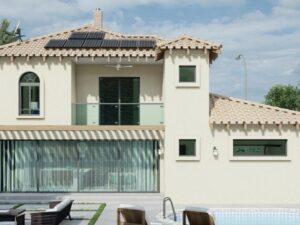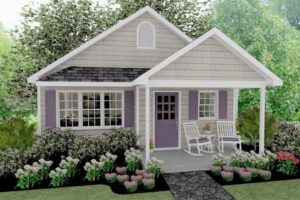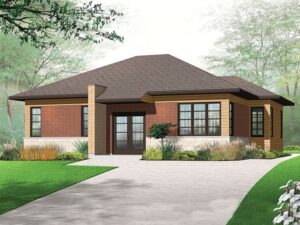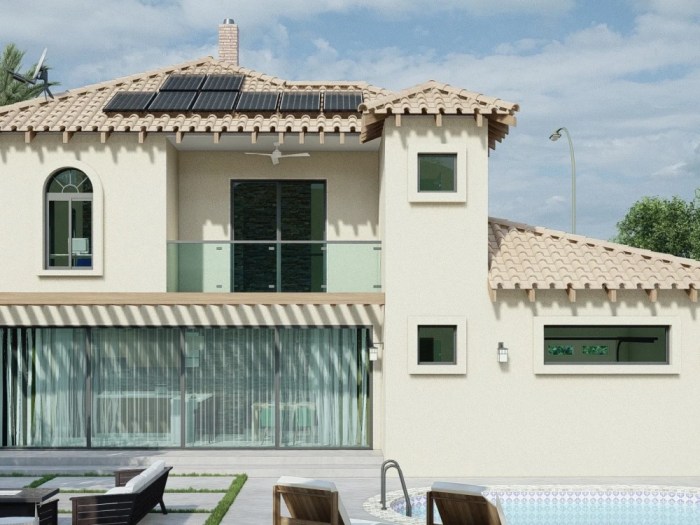
As we navigate through the challenges of climate change and urbanization, Sustainable house plans emerge as a beacon of hope, showcasing how thoughtful design can harmonize with nature. These plans not only reflect a commitment to environmental stewardship but also introduce innovative solutions that enhance our living spaces.
By focusing on key features like energy efficiency, eco-friendly materials, and green living practices, sustainable house plans redefine modern architecture. They are essential not just for individual homeowners, but for communities aiming to create a healthier planet for future generations.
Sustainable House Plans Overview
Sustainable house plans represent a conscientious approach to modern architecture, emphasizing ecological balance, energy efficiency, and resource conservation. As society increasingly faces environmental challenges, these plans have emerged as essential blueprints for responsible living, aiming to reduce the ecological footprint of residential buildings while maintaining comfort and aesthetic appeal.The concept of sustainable house plans encompasses design strategies that prioritize renewable resources, energy-efficient technologies, and environmentally friendly materials.
These plans are characterized by several key features that collectively contribute to their sustainability.
Key Features of Sustainable House Plans
Sustainable house plans are distinguished by specific characteristics that enhance their efficiency and environmental compatibility. These features often include:
- Energy Efficiency: Incorporation of high-performance insulation, energy-efficient windows, and advanced HVAC systems to minimize energy consumption.
- Renewable Energy Sources: Utilization of solar panels, wind turbines, or geothermal systems to harness natural energy and reduce reliance on fossil fuels.
- Water Conservation: Implementation of rainwater harvesting systems, low-flow fixtures, and drought-resistant landscaping to effectively manage water resources.
- Sustainable Materials: Use of recycled, reclaimed, or rapidly renewable materials to lower the environmental impact of construction and enhance durability.
- Site Planning: Thoughtful positioning of the house to maximize natural light and ventilation while minimizing land disturbance and preserving natural habitats.
The adoption of sustainable house plans in residential areas offers a multitude of benefits that extend beyond just individual homeowners. These advantages include enhancing property values, fostering community resilience, and supporting public health.
Benefits of Adopting Sustainable House Plans
Incorporating sustainable house plans provides several benefits that contribute to a healthier environment and economic savings. The significance of these benefits can be observed through the following points:
- Lower Utility Costs: Energy-efficient designs lead to reduced energy bills, providing ongoing financial relief for homeowners.
- Increased Property Value: Homes designed with sustainability in mind often command higher market values due to their modern features and reduced operational costs.
- Healthier Living Environments: Use of non-toxic materials and improved air quality fosters a healthier indoor environment, reducing health risks associated with pollutants.
- Environmental Impact: Sustainable homes contribute to lower greenhouse gas emissions, helping to combat climate change and preserve natural ecosystems.
- Community Engagement: Adoption of sustainable practices inspires community collaboration, promoting awareness and collective action towards environmental stewardship.
Home Furniture Selection for Sustainability
Selecting furniture for a sustainable home is not just about aesthetics; it’s a crucial part of creating an eco-friendly living space. By choosing furniture made from sustainable materials, you contribute to reducing your carbon footprint and promoting a healthier planet. In this section, we will explore how to select eco-friendly materials, tips for choosing sustainable furniture, and the influence of furniture design on energy efficiency in your home.
Choosing Eco-Friendly Materials for Home Furniture
When considering eco-friendly materials for furniture, it is essential to prioritize those that are renewable, recycled, or have a minimal environmental impact. Some of the best materials include bamboo, reclaimed wood, and recycled metals. Here are a few key points to keep in mind when selecting these materials:
- Bamboo: A fast-growing grass that regenerates quickly, making it an ideal renewable resource.
- Reclaimed Wood: Salvaged from old buildings, it not only reduces waste but also adds unique character to your furniture.
- Natural Fabrics: Organic cotton, linen, and hemp are biodegradable and produced without harmful chemicals.
- Recycled Metals and Plastics: These materials help reduce the demand for new resources and lower energy consumption during production.
Tips for Selecting Sustainable Furniture
Choosing furniture that complements sustainable house plans involves more than just material selection; it also includes considering the life cycle and functionality of the items. Here are some tips to guide your choices:
- Durability: Opt for high-quality furniture that can withstand wear and tear, reducing the need for replacements.
- Multi-Functionality: Select pieces that serve multiple purposes, such as a sofa bed, to maximize space and reduce the number of items needed.
- Local Manufacturers: Supporting local artisans and manufacturers can minimize transportation emissions and promote community sustainability.
- Certified Products: Look for furniture that has certifications like FSC (Forest Stewardship Council) or Greenguard, ensuring they meet environmental standards.
Impact of Furniture Design on Energy Efficiency
The design of your furniture can significantly affect the energy efficiency of your home. Thoughtful furniture arrangements can optimize natural light and airflow, reducing dependence on artificial heating and cooling. Here are some design considerations:
- Space Planning: Arrange furniture to allow natural light to penetrate deeper into the home, minimizing the need for additional lighting.
- Ventilation: Incorporate furniture that facilitates airflow, which can help regulate indoor temperatures and reduce reliance on air conditioning.
- Insulation: Choose furniture that is designed with materials offering thermal insulation properties, contributing to overall energy efficiency.
Choosing sustainable furniture not only enhances the aesthetic appeal of your home but also plays a vital role in creating an energy-efficient living environment.
Green Living Practices
Integrating green living practices into your daily routine can greatly enhance the sustainability of your home. By adopting simple yet effective habits, you contribute to a healthier environment and reduce your ecological footprint. This guide will walk you through various practices that can be seamlessly woven into your lifestyle.
Indoor Plants and Air Quality
Indoor plants play a crucial role in enhancing both the air quality and aesthetic appeal of sustainable homes. They help filter toxins from the air, increase humidity, and promote overall well-being. Some of the most effective plants for improving indoor air quality include:
- Spider Plant: Known for its ability to remove pollutants like formaldehyde and carbon monoxide, it’s also easy to care for.
- Peace Lily: This beautiful plant can absorb harmful chemicals and releases oxygen, making it a great addition to any room.
- Snake Plant: Requiring minimal care, this plant converts CO2 into oxygen at night, enhancing air quality while you sleep.
In addition to their air-purifying qualities, indoor plants add a touch of nature to your decor. A well-placed plant can transform a dull corner into a vibrant space, promoting both mental health and relaxation.
Waste Reduction and Recycling Methods
Reducing waste and promoting recycling are essential components of sustainable living. Implementing effective waste management practices can significantly lower the amount of waste that ends up in landfills. Here are some methods to consider:
- Composting: Start a compost bin for organic waste, such as fruit peels and vegetable scraps. This reduces landfill waste and provides nutrient-rich soil for gardening.
- Reusable Products: Switch to reusable bags, water bottles, and containers to minimize single-use plastics.
- Smart Shopping: Opt for products with minimal packaging and bulk items to reduce waste. Prioritize purchasing from local farmers and businesses.
- Recycling Stations: Set up designated areas in your home for different recyclables, such as paper, glass, and plastic, making it easier to sort waste.
By establishing these practices in your home, you actively contribute to a more sustainable future while also encouraging others in your community to do the same. Embracing green living not only benefits the planet but also fosters a sense of responsibility and awareness toward environmental issues.
Heating and Air Conditioning Efficiency

In today’s world, optimizing heating and cooling systems is essential for both comfort and sustainability. By focusing on eco-friendly options, homeowners can significantly reduce their environmental footprint while enhancing energy efficiency in their living spaces.Heating systems have evolved over the years, and several eco-friendly options are now available for sustainable houses. These options not only promote energy conservation but also provide reliable heating solutions.
Eco-Friendly Heating Options
Some of the most effective eco-friendly heating options include:
- Solar Heating: Utilizing solar panels to capture energy from the sun, this system can heat water or air for home heating. It has the potential to reduce heating bills significantly and lower greenhouse gas emissions.
- Geothermal Heating: This system uses the earth’s stable underground temperatures to heat homes during winter and cool them during summer. It is highly efficient and can lead to substantial energy savings over time.
- Biomass Heating: Biomass systems burn organic materials, such as wood pellets, to produce heat. This renewable energy source can be carbon-neutral and reduces reliance on fossil fuels.
In addition to heating options, energy-efficient air conditioning systems play a crucial role in overall energy conservation. These systems not only provide cooling comfort but also contribute to lower utility bills and a reduced environmental impact.
Energy-Efficient Air Conditioning Systems
Investing in energy-efficient air conditioning systems ensures optimal cooling without excessive energy consumption. The benefits of these systems are noteworthy:
- High SEER Ratings: Air conditioning units with higher Seasonal Energy Efficiency Ratio (SEER) ratings operate more efficiently, using less energy to provide the same level of cooling.
- Inverter Technology: Systems equipped with inverter technology adjust the compressor speed according to cooling demands, leading to energy savings and enhanced comfort.
- Smart Thermostats: These devices enable homeowners to manage their cooling systems remotely, optimizing usage patterns and further enhancing energy efficiency.
Proper insulation plays an integral role in maintaining heating and cooling efficiency. Well-insulated homes can retain heat in the winter and stay cool in the summer, resulting in lower energy costs.
Importance of Proper Insulation
Effective insulation minimizes heat transfer between the interior and exterior of a home, making it crucial for energy efficiency. Here’s how insulation impacts energy consumption:
- Reduced Heating and Cooling Costs: Proper insulation can cut heating and cooling costs by up to 20%, making it a smart investment for any sustainable home.
- Increased Comfort: Well-insulated spaces maintain a consistent temperature, enhancing overall comfort for residents.
- Enhanced Indoor Air Quality: Insulation helps to prevent drafts and moisture buildup, contributing to healthier indoor air quality.
Investing in eco-friendly heating options, energy-efficient air conditioning systems, and proper insulation ultimately creates a more sustainable living environment while providing comfort and reducing energy expenses.
Home Inspections for Sustainable Features
When considering the purchase of a sustainable house, a thorough home inspection is critical in ensuring that the property truly embodies environmentally friendly practices and features. A focused home inspection reveals the effectiveness of the sustainable elements in the home, providing peace of mind to potential homeowners. This guide explores the key elements to assess during such inspections, emphasizing the importance of energy efficiency and third-party certifications.
Key Elements to Look for During a Home Inspection
Inspecting a sustainable home requires a keen eye on various features that contribute to its overall sustainability. Key elements to examine include:
- Insulation Quality: Ensure the home has high-quality insulation in walls, roofs, and floors, significantly impacting energy consumption.
- Windows and Doors: Look for double or triple-paned, energy-efficient windows and well-sealed doors that prevent air leaks.
- Roofing Materials: Check for sustainable roofing options such as metal or clay tiles that reflect heat and extend the roof’s lifespan.
- Water Efficiency: Assess the plumbing fixtures and appliances for low-flow toilets and faucets that reduce water usage.
- Renewable Energy Systems: Verify the presence and condition of solar panels or wind turbines that contribute to energy independence.
Assessing the Energy Efficiency of Appliances and Systems
Energy efficiency is a cornerstone of sustainable living and inspecting appliances and systems is essential in a sustainable home. Home inspectors should focus on the following:
- Energy Star Ratings: Appliances should be checked for Energy Star labels, which indicate superior energy efficiency over standard models.
- HVAC Systems: Evaluate the efficiency of heating, ventilation, and air conditioning systems, looking for SEER (Seasonal Energy Efficiency Ratio) ratings that meet or exceed standards.
- Smart Home Technologies: Inspect for smart thermostats and energy management systems that optimize energy usage effectively.
- Water Heating Systems: Assess the energy source and efficiency rating of water heaters, with tankless systems generally being more efficient.
Significance of Third-party Certifications for Sustainability
Third-party certifications serve as a benchmark for sustainability standards and can significantly influence the value and appeal of a home. These certifications include:
- LEED Certification: The Leadership in Energy and Environmental Design (LEED) certification indicates that the home meets strict sustainability and energy efficiency standards.
- Energy Star Certification: Homes with Energy Star certification have been verified to meet energy efficiency guidelines set by the Environmental Protection Agency.
- National Green Building Standard: This certification focuses on high-performance homes that also prioritize health and environmental quality.
- Living Building Challenge: Homes that achieve this certification must meet stringent sustainability criteria, including net-zero energy and water usage.
The presence of third-party certifications can enhance the marketability of a home and lead to long-term energy savings for homeowners.
Innovative House Plans
Sustainable house designs are continually evolving, showcasing creative solutions to meet modern living demands while minimizing environmental impact. Innovative house plans focus on integrating renewable energy sources and efficient materials, catering to those who prioritize sustainability in their lifestyle. This section explores a sample sustainable house plan, examples of modular designs, and architectural styles that promote energy efficiency.
Sample Sustainable House Plan with Renewable Energy Sources
A well-designed sustainable house can harness renewable energy sources such as solar panels and wind turbines. For instance, consider a compact 1,500 square foot two-story home that features a modern aesthetic with a sloped roof optimized for solar panel installation. Key elements of this design include:
Orientation
The house is strategically positioned to maximize sunlight exposure, allowing for significant solar energy capture throughout the day.
Materials
Eco-friendly materials like reclaimed wood and low-VOC paints are used to enhance indoor air quality and reduce the environmental footprint.
Energy Systems
It includes a solar photovoltaic system paired with a home battery for energy storage, minimizing reliance on the grid. A geothermal heat pump provides efficient heating and cooling.
Rainwater Harvesting
A rainwater collection system supports irrigation and non-potable water needs, further reducing water consumption.
Examples of Modular Sustainable House Designs and Advantages
Modular housing represents an innovative approach to sustainable living, offering flexible designs that can be customized to fit various needs. These homes are prefabricated and assembled on-site, which reduces waste and construction time. Some advantages include:
Efficiency
Modular homes are built in controlled environments, leading to reduced material waste and faster construction schedules.
Scalability
Homeowners can easily expand their living space by adding additional modules over time as their needs change.
Cost-effectiveness
The streamlined construction process often results in lower overall costs compared to traditional building methods.Examples of modular sustainable homes include companies like
- Method Homes*, known for their eco-friendly designs, and
- Blu Homes*, which emphasizes energy efficiency in its prefabricated models.
Architectural Styles that Promote Sustainability and Energy Efficiency
Several architectural styles inherently support sustainable living and energy efficiency. Choosing the right design can significantly enhance a home’s overall performance. Notable styles include:
Passive House
This design focuses on maximizing natural light and airflow while minimizing energy consumption. Thick insulation and high-performance windows contribute to a comfortable indoor climate.
Earth-Sheltered Homes
Built into the ground or a hillside, these homes maintain naturally stable temperatures, reducing heating and cooling demands. They often use local materials, blending seamlessly into the landscape.
Contemporary Design
Modern aesthetics can incorporate sustainable elements like green roofs and large windows for natural ventilation, all while maintaining energy efficiency.
Innovative house plans represent a shift toward environmentally conscious living, integrating aesthetics with sustainability.
Summary
In conclusion, embracing Sustainable house plans is more than a trend; it is a vital step towards a sustainable future. By integrating eco-conscious choices in our homes, we can significantly reduce our ecological footprint, enhance our quality of life, and inspire others to join in this important movement.
FAQ
What are the main benefits of sustainable house plans?
Sustainable house plans provide energy efficiency, lower utility costs, improved air quality, and a reduced environmental impact.
How can I ensure my furniture is eco-friendly?
Look for furniture made from sustainable materials, non-toxic finishes, and designs that prioritize durability and longevity.
What role do indoor plants play in sustainable houses?
Indoor plants improve air quality and enhance the aesthetics of homes, contributing to overall well-being and comfort.
Are there specific certifications for sustainable homes?
Yes, certifications like LEED and Energy Star indicate that a home meets specific sustainability and energy efficiency standards.
How can I evaluate the energy efficiency of appliances?
Check for energy ratings, reviews, and certifications when selecting appliances to ensure they meet energy efficiency guidelines.