Exploring Eco-friendly home products opens the door to a more sustainable lifestyle, where thoughtful choices can make a significant impact on our planet. These products not only prioritize environmental health but also enhance the quality of our daily lives by promoting healthier living spaces.
From reducing waste to improving energy efficiency, eco-friendly products encompass a range of items designed to minimize our carbon footprints. With increasing awareness about climate change, more homeowners are turning to these sustainable alternatives, eager to make a positive difference in their homes and communities.
Eco-friendly Home Products Overview
Eco-friendly home products are those that are designed to have minimal impact on the environment. They are often made from sustainable materials, are non-toxic, and are biodegradable or recyclable. In modern living, these products have gained significant importance due to increasing awareness about environmental issues, resource depletion, and the need for sustainable practices. Choosing eco-friendly products can contribute to a healthier living space while also supporting ecological conservation.The benefits of utilizing eco-friendly materials and products in homes are multifaceted.
Firstly, they can enhance indoor air quality by reducing harmful pollutants that are often released by conventional products. Secondly, many eco-friendly products are more durable, leading to long-term cost savings. Additionally, using these products can decrease one’s carbon footprint, promoting a more sustainable lifestyle. Moreover, eco-friendly homes can increase property values and appeal to environmentally conscious buyers.
Popular Eco-friendly Home Products and Their Environmental Impacts
A variety of eco-friendly home products are available on the market today, each contributing to environmental sustainability in different ways. Here are some popular options along with their respective impacts on the environment:
- Bamboo Flooring: Derived from a rapidly renewable resource, bamboo flooring is durable and requires less energy to produce compared to traditional hardwood. Its use helps preserve forests and promotes sustainable harvesting.
- Recycled Glass Countertops: Made from repurposed glass, these countertops reduce waste in landfills while creating beautiful and unique surfaces. They also require less energy to produce compared to granite or quartz.
- Low-VOC Paints: These paints contain fewer volatile organic compounds, which are harmful to both human health and the environment. Using low-VOC paints can lead to better indoor air quality and reduced environmental pollution.
- Energy-efficient Appliances: Appliances with high energy-efficiency ratings use significantly less electricity, contributing to lower energy bills and reduced greenhouse gas emissions. Examples include ENERGY STAR certified refrigerators and washing machines.
- Natural Fiber Rugs: Rugs made from materials like jute, wool, or cotton are biodegradable and often produced with less chemical processing than synthetic options. They promote a sustainable textile industry and reduce reliance on petroleum-based fibers.
The environmental impacts of these eco-friendly home products extend beyond individual benefits. By opting for sustainable materials and energy-efficient designs, homeowners are taking meaningful steps towards reducing their overall ecological footprint. Such choices can inspire a culture of sustainability in communities, fostering a collective effort to protect the planet for future generations.
“Choosing eco-friendly products is not just a personal choice; it’s a commitment to the health of our planet.”
Home Furniture
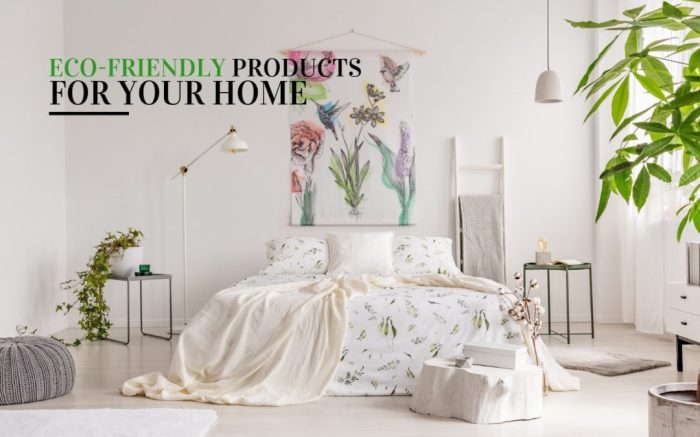
Eco-friendly home furniture is becoming increasingly popular as more individuals seek to reduce their environmental impact. Sustainable furniture not only enhances the aesthetic appeal of homes but also contributes positively to the planet. With a focus on responsible sourcing and production, eco-friendly furniture is designed to be durable, stylish, and environmentally conscious.Sustainable materials play a crucial role in the production of eco-friendly furniture.
These materials are sourced in a manner that reduces harm to the environment and promotes sustainability. Common examples include bamboo, reclaimed wood, and recycled metal or plastic. Bamboo is known for its rapid growth and renewability, making it an excellent alternative to traditional hardwood. Reclaimed wood, often sourced from old buildings or furniture, minimizes waste and adds character to new creations.
Recycled materials, such as plastics transformed into chic furniture pieces, contribute to reducing landfill waste.
Sustainable Materials in Eco-Friendly Furniture
Understanding the materials used in eco-friendly furniture can help consumers make informed choices. Here are some sustainable materials commonly found in eco-friendly furniture:
- Bamboo: A fast-growing grass that is strong and versatile, bamboo can be sustainably harvested without harming the environment.
- Reclaimed Wood: Salvaged from old structures and furniture, reclaimed wood reduces the need for new lumber and gives a unique character to furniture pieces.
- Recycled Metal: Metal furniture made from recycled materials helps to conserve natural resources and reduce waste.
- Organic Fabrics: Textiles made from organic cotton, linen, or hemp are produced without harmful chemicals, making them safer for both consumers and the environment.
Several reputable brands are leading the way in providing eco-friendly furniture options. These brands ensure that their products are created with sustainability in mind while offering style and quality.
Reputable Brands for Eco-Friendly Furniture
Here are some notable brands that specialize in eco-friendly furniture:
- Greenington: Known for its bamboo furniture, Greenington emphasizes sustainable practices while offering stylish designs.
- West Elm: This brand features a range of eco-friendly furniture collections, including pieces made from reclaimed wood and sustainably sourced materials.
- Vig Furniture: Offering a selection of modern designs, Vig Furniture incorporates sustainable materials in many of its products.
- Earth Furnishings: Specializing in both reclaimed wood and recycled materials, Earth Furnishings focuses on creating stylish and sustainable home furnishings.
Comparison of Traditional Furniture Versus Eco-Friendly Alternatives
A comparison between traditional and eco-friendly furniture options highlights the benefits of choosing sustainable products. Below is a table that illustrates key differences between the two categories.
| Feature | Traditional Furniture | Eco-Friendly Furniture |
|---|---|---|
| Materials Used | Newly harvested wood, synthetic fabrics | Bamboo, reclaimed wood, organic fabrics |
| Environmental Impact | Potential deforestation, chemical waste | Minimal waste, sustainable sourcing |
| Durability | Varies, often less sustainable | Generally made to last, high-quality materials |
| Design Styles | Traditional, often lacks variety | Modern, chic, and diverse |
| Cost | Often lower initial cost, higher long-term impact | Higher upfront cost, lower environmental cost |
The shift towards eco-friendly furniture reflects a growing awareness of environmental issues. By choosing sustainable materials and reputable brands, consumers can contribute to a more sustainable future while enhancing their home’s aesthetics.
Green Living Practices
Incorporating eco-friendly habits into our daily routines can significantly contribute to a sustainable lifestyle. Green living practices not only promote environmental health but also enhance personal well-being by creating a harmonious relationship with our surroundings. By making conscious choices in our everyday activities, we can reduce our carbon footprint and foster a more sustainable home environment.Energy efficiency and waste reduction are pivotal elements of sustainable living.
By optimizing energy usage and minimizing waste, households can lower their utility bills while contributing to a healthier planet. Simple adjustments can lead to profound impacts, both economically and environmentally. The following sections will delve into practical methods for adopting green habits and present a checklist to guide sustainable living practices within households.
Methods to Incorporate Eco-friendly Habits
Adopting green habits can start with small, manageable changes. Here are some effective methods to incorporate eco-friendly practices into daily life:
- Reduce Single-use Plastics: Opt for reusable bags, bottles, and containers. This simple switch can significantly cut down plastic waste.
- Energy-efficient Appliances: Invest in ENERGY STAR rated appliances. These consume less energy and reduce greenhouse gas emissions.
- Smart Thermostats: Installing smart thermostats can optimize heating and cooling in your home, adjusting temperatures based on your habits.
- Composting: Start a compost bin for organic waste. Composting reduces landfill waste and enriches garden soil.
- Water Conservation: Install low-flow faucets and showerheads to reduce water consumption without sacrificing performance.
Importance of Energy Efficiency and Waste Reduction
Energy efficiency is crucial for reducing the overall demand for energy, which lowers carbon emissions and saves money on bills. Waste reduction minimizes the amount of rubbish sent to landfills, which in turn reduces methane emissions and conserves natural resources. By focusing on these areas, households can make a tangible impact on the environment.
“Every small action counts; when combined, they create a significant change.”
Checklist for Sustainable Living Practices
A practical checklist can help households implement sustainable living practices effectively. This checklist serves as a reminder of the essential actions that contribute to a greener lifestyle:
- Conduct an energy audit of your home to identify areas for improvement.
- Set up a recycling station in your kitchen for paper, plastic, and glass.
- Choose local and seasonal produce to reduce food miles.
- Participate in community clean-up events to engage with local environmental efforts.
- Educate family members about the importance of sustainability and encourage them to join in eco-friendly practices.
Heating and Air Conditioning
Heating and air conditioning systems are essential for maintaining comfortable indoor environments, but they can significantly impact the environment. Energy-efficient HVAC systems play a crucial role in reducing carbon footprints, saving energy, and cutting costs. By adopting eco-friendly alternatives, homeowners can enjoy comfort without compromising the health of our planet.Energy-efficient HVAC systems, such as those with high SEER (Seasonal Energy Efficiency Ratio) ratings, consume less power while providing the same level of heating or cooling.
These systems not only lower energy bills but also decrease greenhouse gas emissions. Additionally, programmable thermostats and smart home technology can optimize energy use by adjusting temperatures based on occupancy and preferences.
Eco-friendly Heating and Cooling Methods
Several eco-friendly alternatives exist to traditional heating and cooling methods that can help reduce reliance on fossil fuels and lower energy consumption. These methods focus on harnessing renewable energy sources and improving energy efficiency. The following table Artikels various eco-friendly heating systems, highlighting their pros and cons:
| Heating System | Pros | Cons |
|---|---|---|
| Solar Heating |
|
|
| Geothermal Heating |
|
|
| Heat Pumps |
|
|
| Biodiesel Heating Systems |
|
|
Adopting eco-friendly heating and cooling solutions not only benefits the environment but also provides long-term savings and comfort for homeowners.
Home Inspections for Sustainability
Home inspections play a crucial role in pinpointing opportunities for eco-friendly improvements within residential properties. An effective home inspection assesses not only the structural integrity of a property but also its environmental efficiency. This process helps homeowners identify areas where sustainability can be enhanced, ultimately leading to reduced energy consumption and a smaller carbon footprint. By focusing on green features, homeowners can make informed decisions about upgrades that align with their eco-conscious values.Evaluating sustainability features during a home inspection requires a systematic approach.
A thorough checklist can help inspectors and homeowners alike identify key areas that contribute to the eco-friendliness of a home. The following sections detail an essential checklist and common upgrades that can significantly impact the sustainability of a residence.
Checklist for Assessing Sustainability Features
An effective checklist provides a structured way to evaluate sustainability features during a home inspection. It can help prioritize improvements that enhance energy efficiency, water conservation, and overall environmental impact. The following checklist Artikels critical areas to assess:
- Energy Efficiency: Check for energy-efficient windows, insulation, and appliances. Look for ENERGY STAR-rated products.
- Water Conservation: Inspect plumbing fixtures for low-flow options and check for leaks in pipes or fixtures.
- Heating and Cooling Systems: Evaluate the efficiency of HVAC systems, including age, maintenance, and potential upgrades like programmable thermostats.
- Roofing Materials: Assess the presence of sustainable roofing materials, such as cool roofs or those made from recycled materials.
- Landscaping Practices: Look for xeriscaping features, native plant usage, and efficient irrigation systems.
Common Eco-Friendly Upgrades
Identifying common eco-friendly upgrades during an inspection can provide homeowners with actionable insights. These upgrades not only improve sustainability but can also enhance comfort and reduce utility costs. Here are some widely recognized upgrades:
- Solar Panels: Installing solar panels can significantly reduce reliance on non-renewable energy sources and lower electricity bills.
- Energy-Efficient Appliances: Upgrading to appliances with high energy efficiency ratings can lead to substantial energy savings over time.
- Rainwater Harvesting Systems: Implementing systems to collect and reuse rainwater can conserve water resources and reduce water bills.
- Smart Home Technology: Incorporating smart technology to monitor and control energy usage can improve efficiency and convenience.
- Insulation Improvements: Enhancing insulation in walls, attics, and basements can lead to more consistent indoor temperatures and reduced energy consumption.
“Conducting a thorough inspection can lead to significant eco-friendly improvements, optimizing both comfort and sustainability.”
House Plans for Eco-friendly Living
Creating a home that is not only comfortable but also environmentally friendly is becoming a significant priority for many homeowners. Eco-friendly house plans emphasize sustainability, energy efficiency, and harmonious integration with the surrounding environment. By prioritizing eco-friendly design principles, homeowners can create spaces that minimize their carbon footprint while maximizing comfort and functionality.When designing eco-friendly house plans, several innovative architectural features can enhance sustainability.
These features not only improve energy efficiency but also contribute to a healthier living environment. Incorporating natural materials, optimizing natural light, and utilizing efficient insulation methods are just a few ways to create a sustainable home.
Design Principles for Eco-friendly House Plans
The foundation of an eco-friendly home lies in its design principles. These principles guide the overall aesthetic and functionality of the space while ensuring minimal environmental impact. Key aspects include:
- Orientation and Layout: Positioning the house to maximize natural light and ventilation reduces dependence on artificial lighting and cooling systems.
- Use of Sustainable Materials: Selecting materials that are renewable, recycled, or locally sourced minimizes environmental impact and supports local economies.
- Energy Efficiency: Incorporating energy-efficient appliances, windows, and insulation reduces energy consumption and lowers utility bills.
- Water Efficiency: Implementing rainwater harvesting systems and low-flow fixtures conserves water resources and reduces waste.
- Landscaping with Native Plants: Designing gardens with native flora minimizes water use and supports local biodiversity.
Innovative Architectural Features
To further enhance sustainability in eco-friendly homes, innovative architectural features can play a significant role. These features can transform a standard house plan into a model of eco-conscious living. Key innovations include:
- Green Roofs: Installing living roofs with vegetation can improve insulation and reduce stormwater runoff.
- Passive Solar Design: Designing homes to harness solar energy through thermal mass and strategically placed windows can significantly reduce heating costs.
- Smart Home Technology: Integrating smart home systems allows for efficient energy management, enabling homeowners to monitor and control energy use in real-time.
- Modular Construction: Utilizing prefabricated components can reduce construction waste and speed up the building process.
- Natural Ventilation Systems: Designing homes with cross-ventilation strategies can minimize reliance on mechanical heating and cooling.
Essential Elements in Eco-friendly House Design
When crafting an eco-friendly house plan, certain essential elements must be integrated to ensure sustainability and functionality. These elements contribute to the overall effectiveness of environmentally conscious design practices:
- High-performance Windows: Utilizing triple-glazed, low-emissivity windows minimizes heat loss and enhances energy efficiency.
- Renewable Energy Sources: Incorporating solar panels or wind turbines can generate clean energy and reduce reliance on fossil fuels.
- Quality Insulation: Using high-quality insulation materials reduces heating and cooling needs, promoting year-round comfort.
- Flexible Spaces: Designing adaptable spaces allows for future modifications without extensive renovations, catering to changing needs.
- Healthy Indoor Air Quality: Implementing non-toxic materials and proper ventilation systems promotes a healthier indoor environment.
Ending Remarks
In conclusion, embracing Eco-friendly home products is more than just a trend; it represents a commitment to sustainable living that benefits both individuals and the environment. By making informed choices and adopting eco-friendly practices, we can collectively contribute to a healthier planet for future generations.
Commonly Asked Questions
What are eco-friendly home products?
Eco-friendly home products are items made from sustainable materials that have minimal impact on the environment and promote healthier living.
How do I choose eco-friendly products for my home?
Look for certifications, read labels, and research brands committed to sustainability to ensure you are choosing eco-friendly options.
Are eco-friendly products more expensive?
While some eco-friendly products may have a higher upfront cost, they often save money in the long run through energy efficiency and durability.
Can I make my own eco-friendly products?
Yes, many household cleaners, personal care products, and even furniture can be made using natural ingredients and sustainable materials.
What are the benefits of using eco-friendly products?
Benefits include reduced environmental impact, improved indoor air quality, and the promotion of sustainable practices in your home.